博客

  • KOSUN Solids Control Equipment: Revolutionizing Drilling Operations


    In the oil and gas industry, the efficiency and effectiveness of drilling operations heavily depend on the quality of solids control systems. Among the leading names in this field is KOSUN, a globally recognized manufacturer of high-performance solids control equipment. With decades of experience and a commitment to innovation, KOSUN has established itself as a trusted partner for drilling contractors worldwide. This article explores the features, benefits, and applications of KOSUN solids control equipment, highlighting its role in enhancing drilling operations.
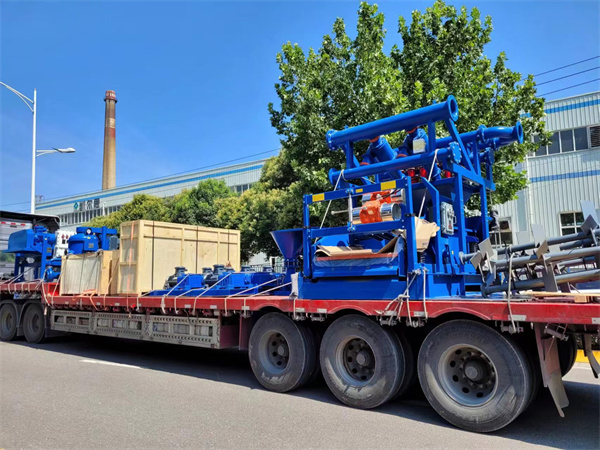


    Introduction to KOSUN Solids Control Equipment

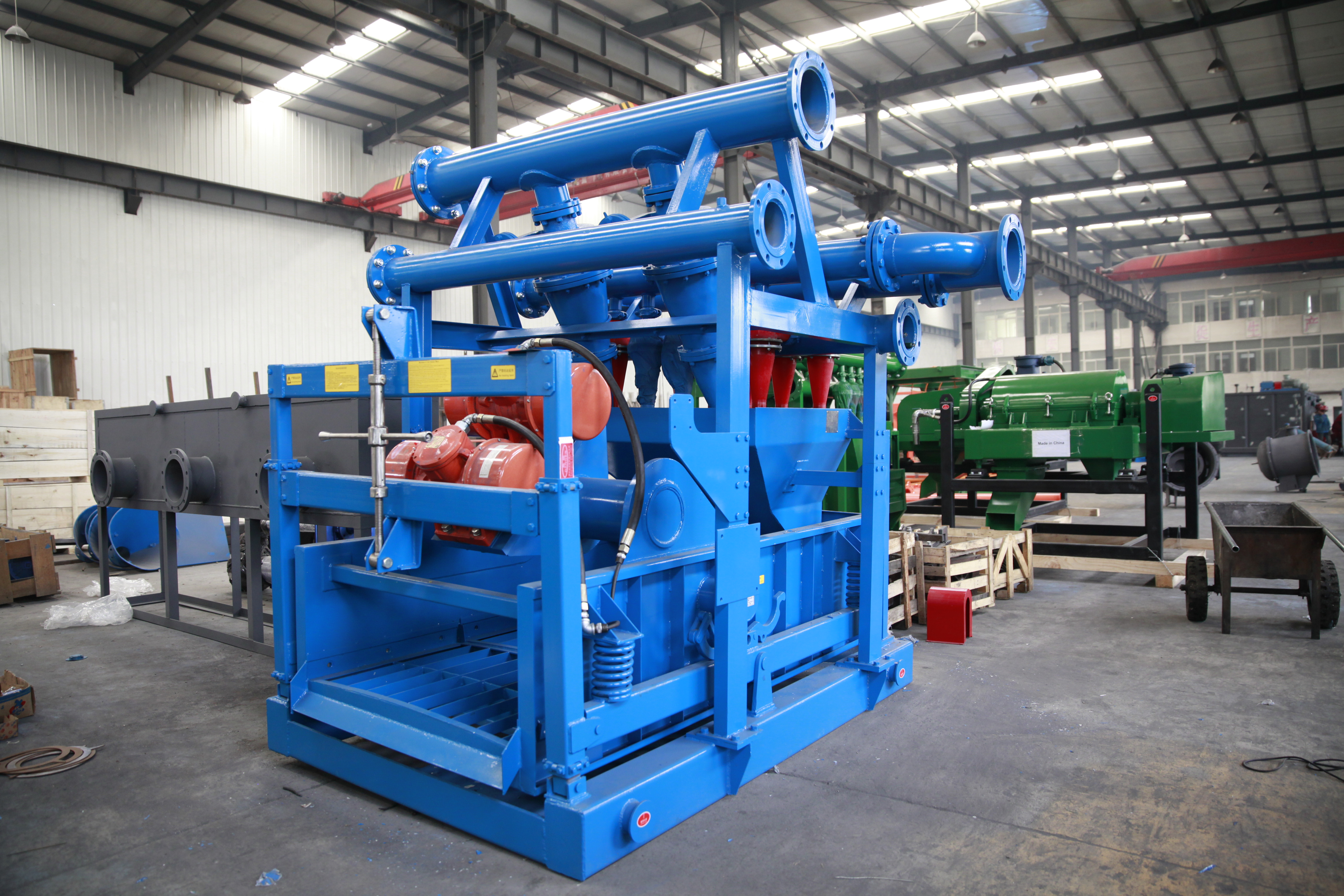
    KOSUN specializes in designing and manufacturing advanced solids control systems that cater to the demanding needs of the oil and gas industry. The company offers a comprehensive range of equipment, including shale shakers, centrifuges, mud cleaners, degassers, and more. KOSUN's products are engineered to remove unwanted solids from drilling fluids, ensuring optimal fluid properties and improving overall drilling efficiency.

    KOSUN's solids control equipment is widely used in various drilling applications, including oil and gas exploration, horizontal directional drilling (HDD), and geothermal drilling. The company's solutions are known for their reliability, durability, and ability to perform in challenging environments.


    Key Features of KOSUN Solids Control Equipment

    KOSUN's solids control systems are designed with cutting-edge technology and user-friendly features. Some of the standout characteristics include:

    1. High-Efficiency Shale Shakers:
      KOSUN's shale shakers are equipped with high-quality screens and advanced vibration mechanisms to ensure effective separation of solids from drilling fluids. They are designed to handle high flow rates and provide consistent performance.

    2. Robust Centrifuges:
      KOSUN's decanter centrifuges are capable of removing fine solids and colloids from drilling fluids. These centrifuges are built to operate under extreme conditions, making them ideal for demanding drilling environments.

    3. Integrated Mud Cleaners:
      KOSUN's mud cleaners combine the functions of shale shakers and hydrocyclones to deliver superior solids control. They are highly effective in managing high-density drilling fluids.

    4. Efficient Degassers:
      KOSUN's degassers are designed to remove harmful gases, such as methane, from drilling fluids. This ensures the safety of personnel and equipment while maintaining the fluid's properties.

    5. Customizable Solutions:
      KOSUN offers tailored solids control systems to meet the specific needs of different drilling projects. Whether it's a land-based rig or an offshore operation, KOSUN provides solutions that maximize efficiency and performance.

    6. Durability and Reliability:
      KOSUN's equipment is built to withstand harsh operating conditions, ensuring long service life and minimal downtime. The use of high-quality materials and precision engineering makes KOSUN products a reliable choice for drilling contractors.


    Benefits of Using KOSUN Solids Control Equipment

    KOSUN's solids control systems deliver significant advantages to drilling operations, including:

    • Enhanced Drilling Efficiency: By maintaining clean drilling fluids, KOSUN equipment reduces friction and wear on drilling tools, leading to faster and more efficient operations.

    • Cost Savings: KOSUN's systems extend the life of drilling fluids and reduce equipment maintenance costs, resulting in substantial savings for drilling contractors.

    • Environmental Compliance: KOSUN's equipment minimizes waste generation and helps drilling companies meet environmental regulations.

    • Improved Safety: The removal of gases and fine solids from drilling fluids reduces the risk of equipment failure and accidents, ensuring a safer working environment.

    • Versatility: KOSUN's solutions are suitable for a wide range of drilling applications, from conventional oil and gas drilling to specialized projects like HDD and geothermal drilling.


    Applications of KOSUN Solids Control Equipment

    KOSUN's solids control systems are widely used in various drilling scenarios, including:

    1. Oil and Gas Exploration:
      KOSUN equipment is essential for maintaining the quality of drilling fluids in both onshore and offshore drilling operations.

    2. Horizontal Directional Drilling (HDD):
      KOSUN's compact and efficient systems are ideal for HDD projects, where space and performance are critical.

    3. Geothermal Drilling:
      KOSUN's robust equipment can handle the high temperatures and challenging conditions associated with geothermal drilling.

    4. Coalbed Methane (CBM) Drilling:
      KOSUN's degassers and centrifuges are particularly useful in CBM drilling, where gas removal is a priority.
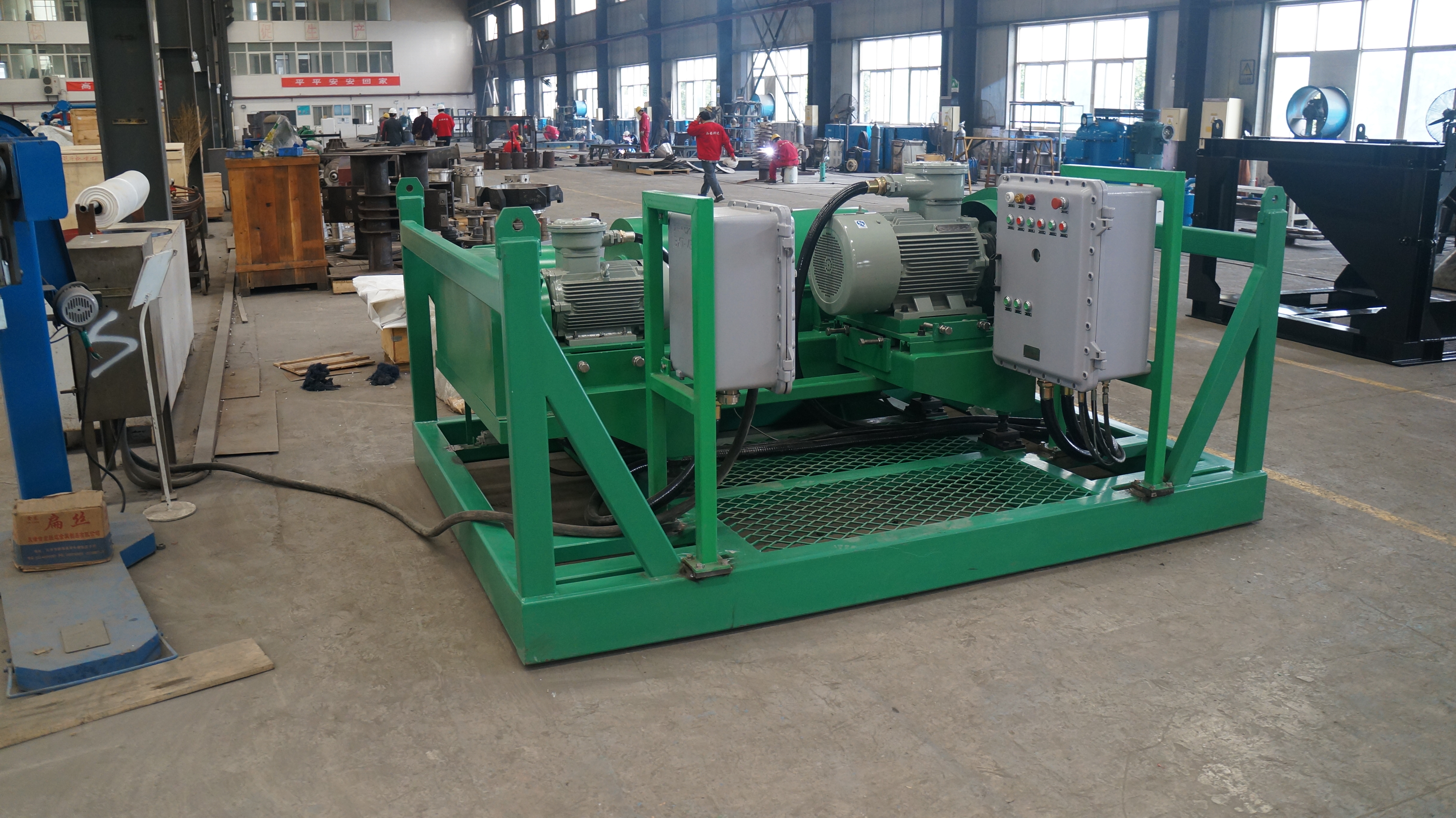
     

  • The Role of Decanter Centrifuges in Modern Industrial Processes

    In the realm of industrial separation technology, the decanter centrifuge stands out as a versatile and efficient solution for a wide range of applications. From wastewater treatment to oil and gas drilling, decanter centrifuges play a crucial role in separating solids from liquids, ensuring process efficiency and product quality. This article delves into the functionality, benefits, and applications of decanter centrifuges, highlighting their importance in various industries.

    Understanding Decanter Centrifuges

    A decanter centrifuge is a type of centrifuge that uses centrifugal force to separate materials of different densities. It consists of a horizontally mounted cylindrical bowl and a screw conveyor that rotates at a slightly different speed. The mixture to be separated is fed into the bowl, where the high-speed rotation causes the denser solids to settle against the bowl wall. The screw conveyor then moves the settled solids towards the discharge end, while the clarified liquid exits through a separate outlet.

    Key Components and Operation

    1. Bowl: The bowl is the primary component where the separation occurs. It rotates at high speeds to generate the necessary centrifugal force.

    2. Screw Conveyor: Positioned inside the bowl, the screw conveyor rotates at a different speed to transport the separated solids.

    3. Feed Zone: The area where the mixture enters the centrifuge.

    4. Liquid Discharge: The outlet for the clarified liquid.

    5. Solid Discharge: The outlet for the separated solids.

    Applications of Decanter Centrifuges

    1. Wastewater Treatment: Decanter centrifuges are widely used in municipal and industrial wastewater treatment plants to dewater sludge, reducing its volume and making disposal more manageable.

    2. Oil and Gas Industry: In drilling operations, decanter centrifuges are used to separate drilling fluids from cuttings, ensuring the fluid can be reused and maintaining the efficiency of the drilling process.

    3. Food and Beverage Industry: These centrifuges are employed in the clarification of juices, separation of dairy products, and processing of edible oils.

    4. Chemical and Pharmaceutical Industries: Decanter centrifuges are used for the separation of chemical slurries, purification of pharmaceutical products, and recovery of valuable materials from waste streams.

    Advantages of Decanter Centrifuges

    • High Efficiency: Decanter centrifuges provide continuous operation and high separation efficiency, making them suitable for large-scale industrial applications.

    • Versatility: They can handle a wide range of materials and particle sizes, from fine slurries to coarse solids.

    • Automation: Modern decanter centrifuges are equipped with advanced control systems that allow for automated operation, reducing the need for manual intervention and minimizing human error.

    • Durability: Constructed from robust materials, decanter centrifuges are designed to withstand harsh operating conditions, ensuring long-term reliability and minimal maintenance.

    Conclusion

    Decanter centrifuges are indispensable tools in modern industrial processes, offering efficient and reliable separation solutions across various sectors. Their ability to handle diverse materials, coupled with high efficiency and automation, makes them a valuable asset for any operation requiring solid-liquid separation. As industries continue to evolve, the demand for advanced decanter centrifuge technology will undoubtedly grow, driving further innovation and enhancing process efficiency.

    Keywords: decanter centrifuge, industrial separation, wastewater treatment, oil and gas, food and beverage, chemical and pharmaceutical, high efficiency, versatility, automation, durability.


  • KOSUN KSMR Mud Recovery System plays an important role in directional crossing

     
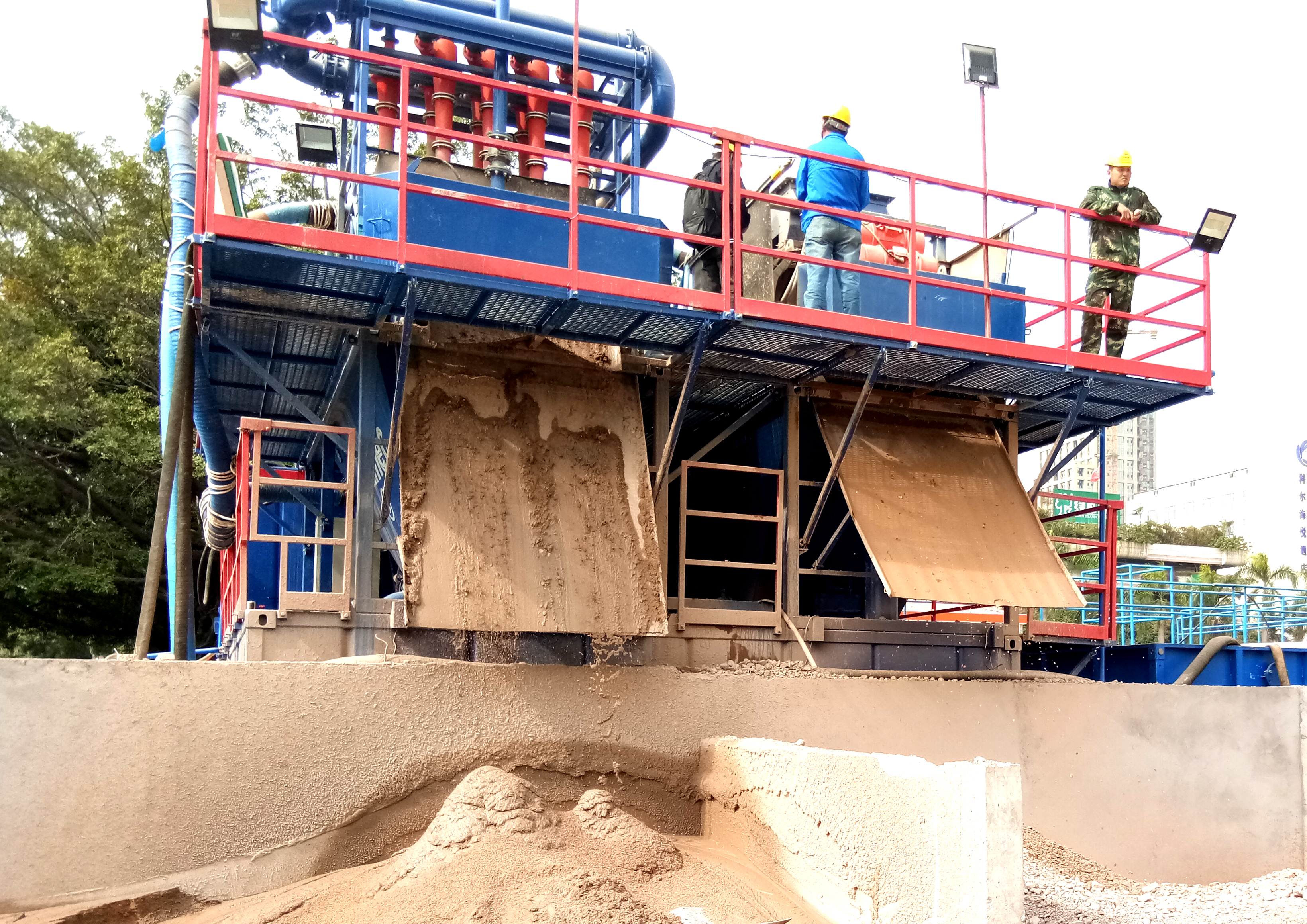
    With the increasing of horizontal directional crossing technology and the stricter requirements of national environmental protection policies, the HDD Mud Recovery system also has higher requirements. Horizontal directional crossing solid control equipment is mainly reflected in oil and gas pipelines crossing rivers, lakes, traffic arteries, railway hubs and other obstacles. The principle and technical method of horizontal directional crossing solid control for the control of solid particles in the mud also have a variety of separation technical means.


    Environmental protection is a sensitive topic for us for a long time. Because the horizontal directional drilling mud contains many harmful substances and has high value, the mud recovery in the horizontal directional crossing system is the owner's requirement for construction. Horizontal directional crossing construction units have purchased mud solid phase control equipment, the waste mud solid phase separation and reuse, waste into treasure has achieved considerable economic benefits, but also promote the development of domestic horizontal directional crossing mud solid control system.

     
    Horizontal directional crossing in the domestic and even the world development time is not long, there is no own perfect system in drilling and mud, to a large extent, the oil field process system is improved after absorption and application. In China, the solid phase separation method of horizontal directional passing through mud is similar to that of oil field. There are three main methods: dilution, precipitation and mechanical removal. In view of the difference between horizontal directional crossing mud and petroleum drilling fluid, our company has carried out detailed analysis and carried out a large number of field studies and tests, and successfully developed a horizontal directional crossing solid control system specially designed for horizontal directional crossing system.
     
    At present, the horizontal directional crossing mud solid control recovery system used in China is half of the domestic and imported, and the imported ones are mainly small and matched with the import of drilling RIGS. The domestic ones are mainly large ones, which are formulated according to the needs of users.
     
    Depending on the construction environment, the type and size of particles that need to be removed or suppressed, and the quality requirements of the mud that needs to be maintained through are also different. Our company can configure reasonable and reliable solid control system for customers according to the actual working environment needs and combined with the company's previous successful cases.

    KOSUN- China Solids Control Leader&Drilling Waste Management Expert
    Email: sales@adkosun.com
    WhatsApp/Wechat:+86 13379250593
    Contact person:Stella Xiang
    Online consulting:
    http://www.kosun.com
    http://www.kosuneco.com
     

  • Enhancing Drilling Efficiency with Advanced Shale Shaker Technology

    In the oil and gas industry, the efficiency of drilling operations is paramount. One of the critical components in ensuring smooth and effective drilling is the shale shaker. This essential piece of equipment plays a pivotal role in the solids control process, separating drill cuttings from the drilling fluid. As drilling environments become more challenging, the demand for advanced shale shaker technology has never been greater.

    The Role of Shale Shakers in Drilling Operations

    Shale shakers are the first line of defense in the solids control system. They are designed to remove large solids from the drilling fluid, ensuring that the fluid can be reused and that the drilling process remains efficient. By doing so, shale shakers help to maintain the integrity of the drilling fluid, which is crucial for the stability of the wellbore and the overall success of the drilling operation.

    Key Features of Modern Shale Shakers

    1. High-G Force Capability: Modern shale shakers are equipped with high-G force motors that provide vigorous vibration. This enhances the separation efficiency, allowing for the removal of finer particles and reducing the load on downstream equipment.

    2. Adjustable Screen Panels: The ability to adjust screen panels is a significant advancement. Operators can tailor the screen configuration to match the specific requirements of the drilling operation, optimizing performance and extending the life of the screens.

    3. Durability and Reliability: Constructed from high-quality materials, contemporary shale shakers are built to withstand the harsh conditions of drilling sites. Their robust design ensures long-term reliability, minimizing downtime and maintenance costs.

    4. User-Friendly Interface: Many modern shale shakers come with intuitive control systems that simplify operation. These interfaces allow for easy monitoring and adjustment of settings, ensuring optimal performance with minimal operator intervention.

    Benefits of Advanced Shale Shaker Technology

    • Improved Drilling Efficiency: By effectively removing solids, shale shakers help maintain the properties of the drilling fluid, leading to smoother and faster drilling operations.

    • Cost Savings: Efficient solids control reduces the need for frequent fluid replacement and disposal, resulting in significant cost savings.

    • Environmental Protection: Proper management of drilling waste minimizes environmental impact, aligning with industry regulations and sustainability goals.

    Conclusion

    As the oil and gas industry continues to evolve, the importance of advanced shale shaker technology cannot be overstated. By investing in high-quality shale shakers, drilling companies can enhance their operational efficiency, reduce costs, and contribute to environmental sustainability. The continuous innovation in shale shaker design and functionality ensures that these critical components remain at the forefront of drilling technology, ready to meet the challenges of modern drilling environments.

    Keywords: shale shaker, drilling efficiency, solids control, high-G force, adjustable screen panels, durability, user-friendly interface, cost savings, environmental protection.


  • Choosing the Right Desander and Desilter

    Desanders and desilters are essential components in solid control systems, primarily used in drilling operations.
    They are designed to remove solid particles of different sizes from drilling fluids.  
    Desanders typically remove particles ranging from 40 to 100 microns.  
    Desilters remove finer particles, usually between 15 to 40 microns.  
    These devices ensure the drilling fluid remains clean and efficient, which is critical for smooth drilling operations and equipment longevity.


    2. How Do Desanders and Desilters Work?
    Desanders and desilters operate on the principle of centrifugal force. The drilling fluid is pumped into a cone-shaped device, where high-speed rotation separates solids from the liquid.  
    Desanders use larger cones to handle bigger particles.  
    Desilters use smaller cones for finer particles.  
    The cleaned fluid is then returned to the drilling system, while the separated solids are discharged. This process enhances drilling efficiency and reduces wear on equipment.
     
    3. Applications of Desanders and Desilters
    Desanders and desilters are widely used in industries such as:  
    Oil and Gas Drilling: To maintain the quality of drilling mud and prevent equipment damage.  
    Geothermal Drilling: To remove fine sediments and improve drilling performance.  
    Construction and Mining: For dewatering and slurry treatment.  
    These devices are crucial for ensuring operational efficiency and environmental compliance in various industries.
     
    4. Benefits of Using Desanders and Desilters
    Improved Drilling Efficiency: Clean drilling fluids reduce friction and improve drilling speed.  
    Equipment Protection: Removing abrasive particles extends the life of drilling equipment.  
    Cost Savings: Reduced downtime and maintenance costs.  
    Environmental Compliance: Proper waste management minimizes environmental impact.  
    Investing in high-quality desanders and desilters is essential for any drilling operation.
     
    5. Choosing the Right Desander and Desilter
    When selecting desanders and desilters, consider factors such as: 
    Particle Size: Match the device to the size of particles you need to remove.  
    Flow Rate: Ensure the equipment can handle the volume of drilling fluid.  
    Durability: Choose materials that can withstand harsh drilling conditions.  
    Ease of Maintenance: Opt for designs that are easy to clean and maintain.  
    Proper selection ensures optimal performance and long-term reliability.
     
     
  • Slurry Separation Equipment: Optimizing Your Operations

    Introduction:

    Slurry separation is a critical process in various industries, including mining, construction, wastewater treatment, and agriculture. It involves separating solid particles from a liquid medium, often water, to achieve desired outcomes like dewatering, resource recovery, or environmental compliance. Choosing the right slurry separation equipment is essential for optimizing efficiency, reducing costs, and ensuring environmental sustainability.
     

    Types of Slurry Separation Equipment:
     

    1. Centrifuges: Utilizing centrifugal force, these machines separate solids from liquids based on density differences. They are highly efficient and suitable for fine particle separation.

    2. Filter Presses: Employing pressure filtration, filter presses separate solids by forcing the slurry through filter cloths. They are ideal for high-volume applications and produce dry filter cakes.

    3. Belt Presses: Using a series of belts and rollers, belt presses dewater slurry by applying pressure and gravity. They are cost-effective and suitable for large-scale operations.

    4. Screw Presses: Employing a rotating screw within a cylindrical screen, screw presses separate solids by applying continuous pressure. They are compact and energy-efficient.

    5. Hydrocyclones: Utilizing centrifugal force within a conical chamber, hydrocyclones separate particles based on size and density. They are often used as pre-treatment devices.


    Factors to Consider When Choosing Slurry Separation Equipment:
     

    • Slurry Characteristics: Particle size, density, concentration, and viscosity significantly impact equipment selection.

    • Desired Output: The required moisture content of the separated solids and the clarity of the liquid effluent are crucial factors.

    • Capacity and Throughput: The volume of slurry to be processed per unit time determines the required equipment size and capacity.

    • Operating Costs: Energy consumption, maintenance requirements, and labor costs should be considered for long-term economic viability.

    • Environmental Regulations: Compliance with local environmental regulations regarding waste disposal and water discharge is essential.

    Benefits of Efficient Slurry Separation:

    • Reduced Disposal Costs: Separating solids from liquids minimizes waste volume, leading to lower disposal costs.

    • Resource Recovery: Valuable materials can be recovered from the separated solids, promoting resource efficiency.

    • Improved Process Efficiency: Efficient slurry separation enhances downstream processes and overall operational efficiency.

    • Environmental Protection: Proper slurry separation prevents contamination of water bodies and soil, ensuring environmental sustainability.
       

  • Slurry Separation Equipment: Optimizing Your Operations

    Introduction:

    Slurry separation is a critical process in various industries, including mining, construction, wastewater treatment, and agriculture. It involves separating solid particles from a liquid medium, often water, to achieve desired outcomes like dewatering, resource recovery, or environmental compliance. Choosing the right slurry separation equipment is essential for optimizing efficiency, reducing costs, and ensuring environmental sustainability.
     

    Types of Slurry Separation Equipment:
     

    1. Centrifuges: Utilizing centrifugal force, these machines separate solids from liquids based on density differences. They are highly efficient and suitable for fine particle separation.

    2. Filter Presses: Employing pressure filtration, filter presses separate solids by forcing the slurry through filter cloths. They are ideal for high-volume applications and produce dry filter cakes.

    3. Belt Presses: Using a series of belts and rollers, belt presses dewater slurry by applying pressure and gravity. They are cost-effective and suitable for large-scale operations.

    4. Screw Presses: Employing a rotating screw within a cylindrical screen, screw presses separate solids by applying continuous pressure. They are compact and energy-efficient.

    5. Hydrocyclones: Utilizing centrifugal force within a conical chamber, hydrocyclones separate particles based on size and density. They are often used as pre-treatment devices.


    Factors to Consider When Choosing Slurry Separation Equipment:
     

    • Slurry Characteristics: Particle size, density, concentration, and viscosity significantly impact equipment selection.

    • Desired Output: The required moisture content of the separated solids and the clarity of the liquid effluent are crucial factors.

    • Capacity and Throughput: The volume of slurry to be processed per unit time determines the required equipment size and capacity.

    • Operating Costs: Energy consumption, maintenance requirements, and labor costs should be considered for long-term economic viability.

    • Environmental Regulations: Compliance with local environmental regulations regarding waste disposal and water discharge is essential.

    Benefits of Efficient Slurry Separation:

    • Reduced Disposal Costs: Separating solids from liquids minimizes waste volume, leading to lower disposal costs.

    • Resource Recovery: Valuable materials can be recovered from the separated solids, promoting resource efficiency.

    • Improved Process Efficiency: Efficient slurry separation enhances downstream processes and overall operational efficiency.

    • Environmental Protection: Proper slurry separation prevents contamination of water bodies and soil, ensuring environmental sustainability.
       

  • Drilling Mud Waste Management Need to Take the Following Measures

    Drilling Mud Waste Management Need to Take the Following Measures:


    1. Select the correct mud: Choosing mud that is suitable for specific wellbore and geological conditions is crucial. The density and viscosity of the mud must match the wellbore and formation.


    2. Use the right drill bit: Selecting the correct drill bit can reduce the generation of cuttings and ensure effective removal of cuttings from the wellbore.
     
    3. Control drilling parameters: Controlling drilling parameters such as drilling speed and mud flow rate can reduce the generation of cuttings and ensure that the mud can effectively remove cuttings from the wellbore.
     
    4. Use drilling fluid treatment equipment: Using drilling fluid treatment equipment can reduce the solid particles in the mud, thereby reducing the generation of cuttings.
     
    5. Implement a mud circulation system: Implementing a mud circulation system ensures that the mud can be removed and recycled from the wellbore, reducing mud waste and environmental impact.


  • How Drilling Mud Cleaning Systems Improve Drilling Efficiency


    Drilling mud is a vital component in oil and gas exploration, but its effectiveness diminishes as it accumulates solid particles. Drilling mud cleaning systems are designed to address this issue, ensuring consistent performance and cost savings.


    Key Components of a Drilling Mud Cleaning System
     

    1. Shale Shakers: Remove large solids from the mud.

    2. Desanders and Desilters: Target medium and fine particles, respectively.

    3. Centrifuges: Separate ultra-fine particles and recover valuable liquids.
       

    How It Works
    The system processes contaminated mud through multiple stages, each removing specific particle sizes. Cleaned mud is then returned to the drilling cycle, while solids are disposed of safely.
     

    Advantages

    • Extended Equipment Life: Reduced solid content minimizes wear on drilling tools.

    • Improved Drilling Speed: Clean mud enhances lubrication and cooling, speeding up operations.

    • Regulatory Compliance: Proper mud treatment ensures adherence to environmental regulations.
       

    Conclusion
    A drilling mud cleaning system is a game-changer for drilling operations, offering both economic and operational benefits.

     
  • KOSUN Drilling Rig Solid Control System Introduction

    In petroleum drilling engineering, the configuration of drilling rig solid control system equipment is typically determined by the drilling depth and the specifications of the drilling rig. Common drilling rig specifications include:

    2000-meter drilling (550hp) ZJ20 rig
    3000-meter drilling (750hp) ZJ30 rig
    4000-meter drilling (1000hp) ZJ40 rig
    5000-meter drilling (1500hp) ZJ50 rig
    7000-meter drilling (2000hp) ZJ70 rig
    9000-meter drilling (3000hp) ZJ90 rig


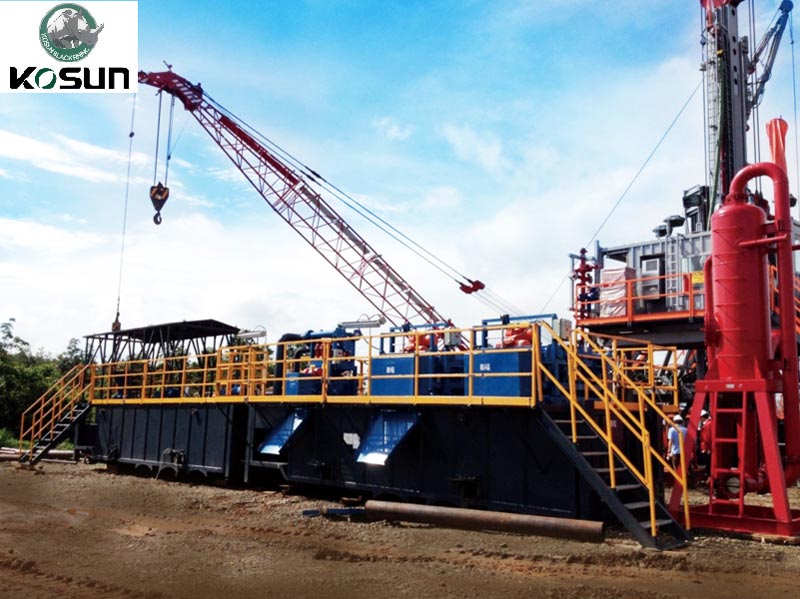
                                                                                              Argentina-ZJ50 Drilling Rig Solid Control System

    Correspondingly, there are:
    ZJ20 rig solid control system
    ZJ30 rig solid control system
    ZJ40 rig solid control system
    ZJ50 rig solid control system
    ZJ70 rig solid control system
    ZJ90 rig solid control system


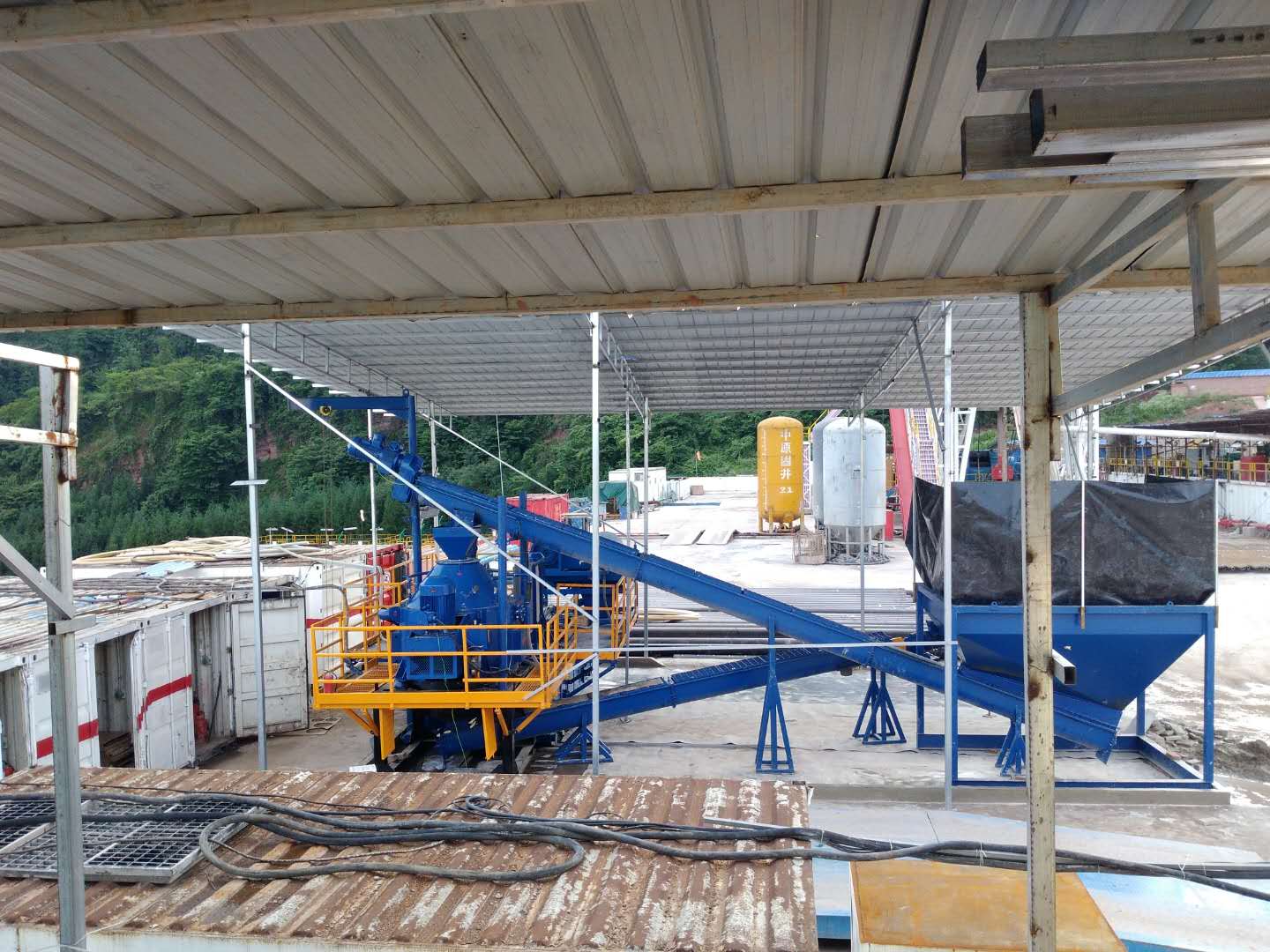
    Xi’an KOSUN can customize solid control systems for rigs ranging from ZJ20 to ZJ90, which include purification, circulation, preparation, weighting, and storage processes for drilling mud.
     
                                                                                                 Russia-ZJ30 Solid Control System

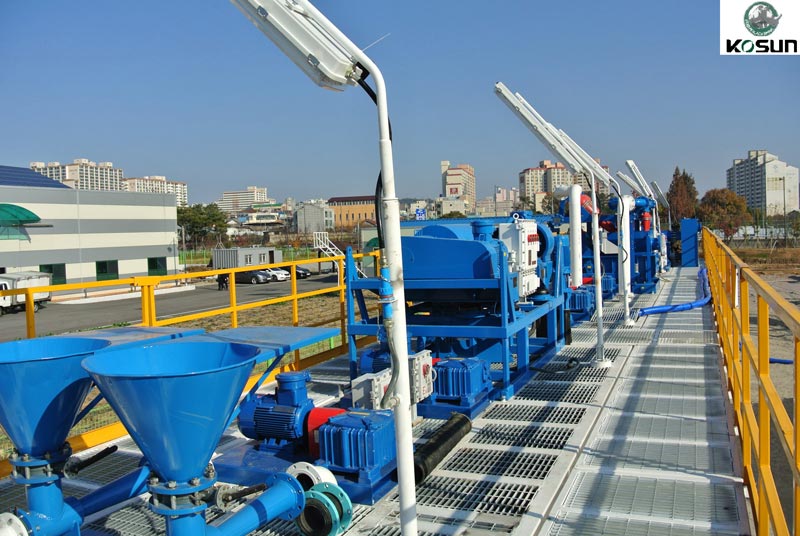
    KOSUN’s solid control system mainly consists of: liquid-gas separator, mud shale shaker, vacuum degasser, mud cleaner, drilling fluid centrifuge, mud tank, water tank, oil tank, mud agitator, mixing funnel, supply pump (sand pump), replenishment equipment (pump tank), etc.
     

    The configuration of the solid control system piping includes: elevated pipelines (from the wellhead to the mud vibrating screen), tank bottom interconnecting pipelines, mud pump suction pipelines, mixing suction pipelines, mixing discharge pipelines, clean water pipelines, mud gun pipelines, and various other piping configurations.