博客

  • Essential Technology for Efficient Solid-Liquid Separation

    A Vacuum Degasser is a critical piece of equipment in industries requiring efficient solid-liquid separation, particularly in oilfield drilling, wastewater treatment, and industrial sludge processing. By removing dissolved gases (such as methane, hydrogen sulfide, and air) from drilling fluids, slurries, and industrial liquids, vacuum degassers enhance operational safety, improve fluid performance, and prevent equipment corrosion.
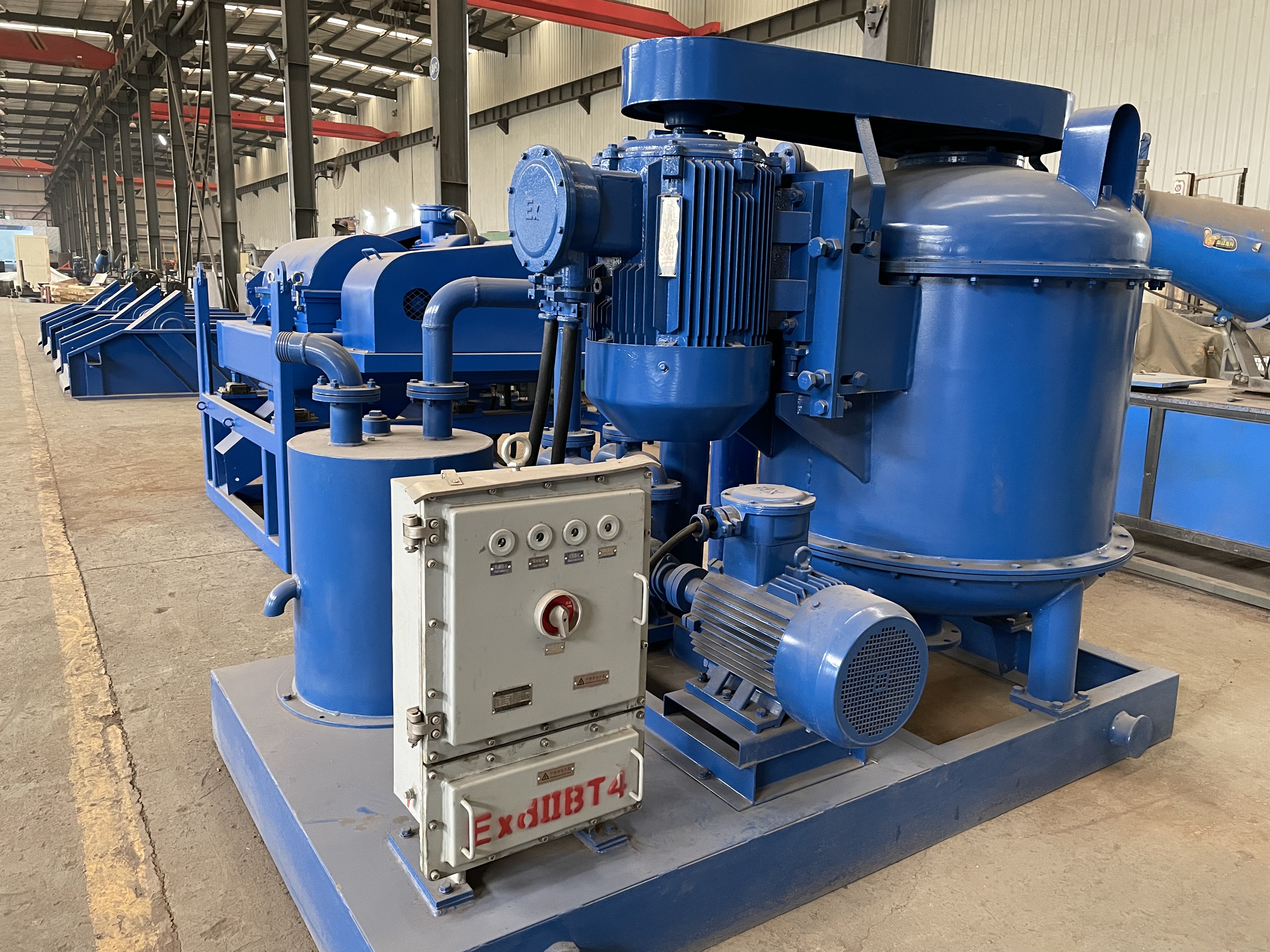


    KOSUN specializes in high-performance vacuum degassing systems, integrating advanced engineering with eco-friendly solutions for global clients.


    How Does a Vacuum Degasser Work?

    Vacuum degassers operate on the principle of pressure reduction, creating a low-pressure environment where dissolved gases are extracted from liquids.

    The process involves:

    1. Suction & Intake – Contaminated fluid enters the degasser under vacuum pressure.

    2. Gas Separation – Reduced pressure causes dissolved gases to expand and escape.

    3. Liquid Purification – Cleaned fluid is discharged for reuse, while extracted gases are safely vented or processed.

    This technology is vital in oil & gas drilling, where gas-cut mud can lead to well control issues, pump inefficiency, and safety hazards.
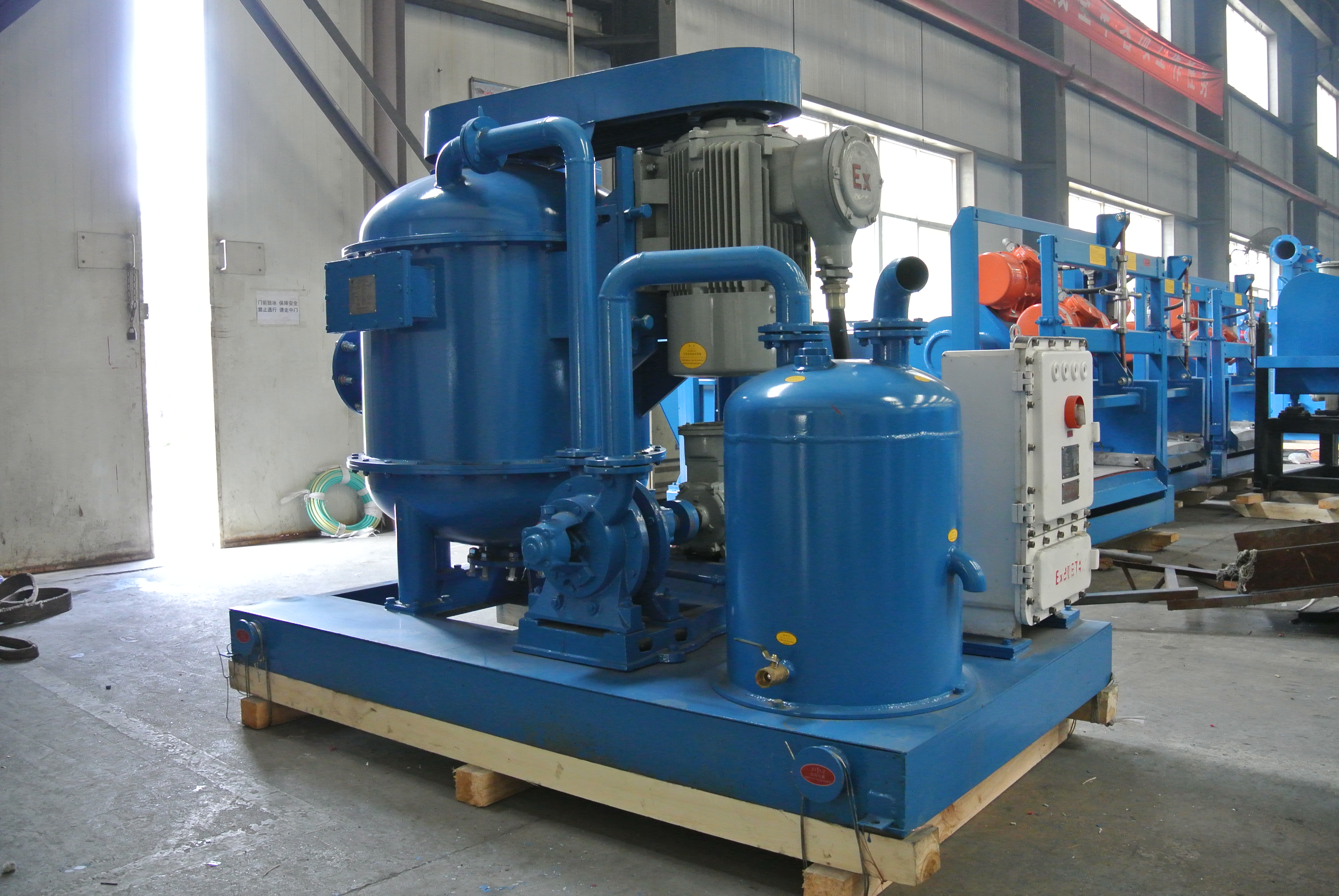


    Key Applications of Vacuum Degassers

    1. Oilfield & Drilling Operations

    • Removes dangerous gases (H₂S, CH₄) from drilling mud

    • Maintains mud weight stability, preventing blowouts

    • Enhances drilling fluid recyclability, reducing costs
       

    2. Industrial Wastewater Treatment

    • Eliminates volatile organic compounds (VOCs) from wastewater

    • Prevents foaming and cavitation in pumps and pipelines

    • Improves effluent quality for environmental compliance
       

    3. Geothermal & HDD (Horizontal Directional Drilling)

    • Ensures clean drilling fluid for extended equipment life

    • Reduces corrosion and oxidation in drilling systems
       

    4. Sludge & Slurry Processing

    • Optimizes dewatering efficiency in industrial separation

    • Minimizes odor and gas-related hazards

    •  
  • Kosun Black Rhino KD Series Mud-Water Separation System is Used Widely

    KOSUN Machinery Black Rhino KD series mud-water separation system is a closed-circuit mud circulation purification method to treat the construction mud of infrastructure projects, superior and reliable performance, with low slag moisture content and the industry customers' praise.


    The mud-water separation system can be used in mud and water balance shield construction mud treatment, horizontal directional drilling mud treatment, underground diaphragm wall construction mud treatment, bored pile foundation construction mud treatment, mud and water balance pipe jacking mud treatment, tail slurry treatment and other infrastructure construction fields.
     
    KOSUN Black Rhino KD series mud-water separation system is mainly composed of shaker screen, sand cyclone, sand gravel pump and conical tank four parts, shaker screen cloth with coarse screen and fine screen, coarse screen can remove coarse particles of mud slag material, sand cyclone and vibrating screen on the fine number of screen can remove smaller particles of sand. The closed-circuit purification method of mud and the lower water content of slag are beneficial to reduce environmental pollution.
     
    The equipment accessories in the system have long service life and low failure rate, and are suitable for various bad working conditions.
     
    From 2021 to 2022, in the construction of Shenzhen Metro in China, KOSUN Black Rhino KD-500 mud-water separation system is used in the construction of double-wheel milling underground continuous wall, the maximum processing capacity of the equipment can reach 500 cubic meters/hour, and the separation particle size can reach 30~40um. The large amount of processing power and the high quality of the recycled mud ensure the rapid drilling of the two-wheel mill, in addition, the unique second and third-stage separation switching technology makes it easy to cope with the construction requirements of different formations.

    Tag: Black Rhino KD series mud-water separation system, mud-water separation system, for sale, manufacturer, supplier, seller


  • Xi ‘an KOSUN black rhino shaker successfully sent overseas

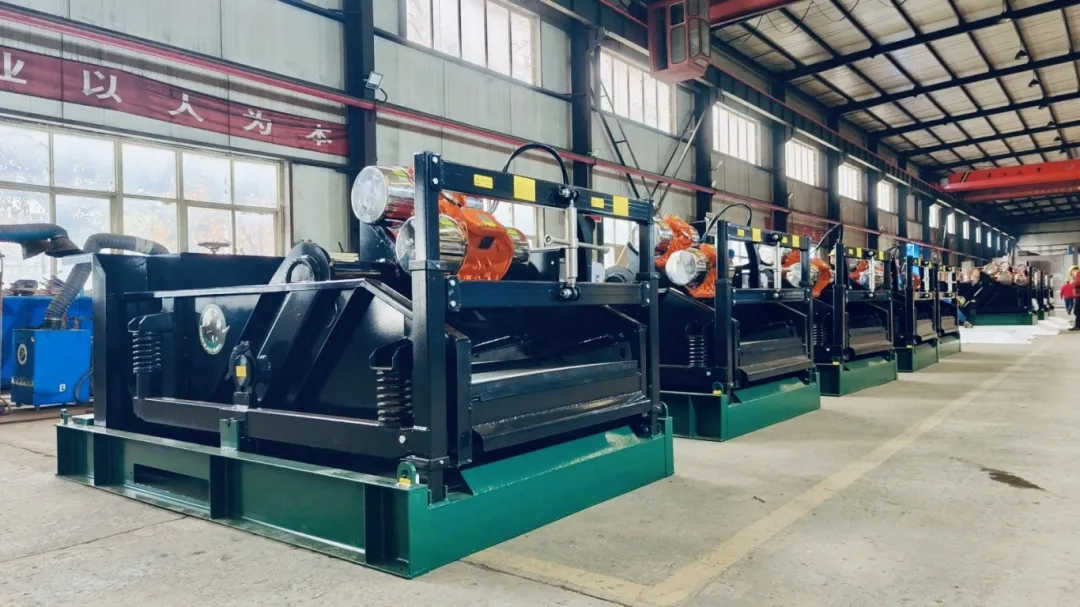
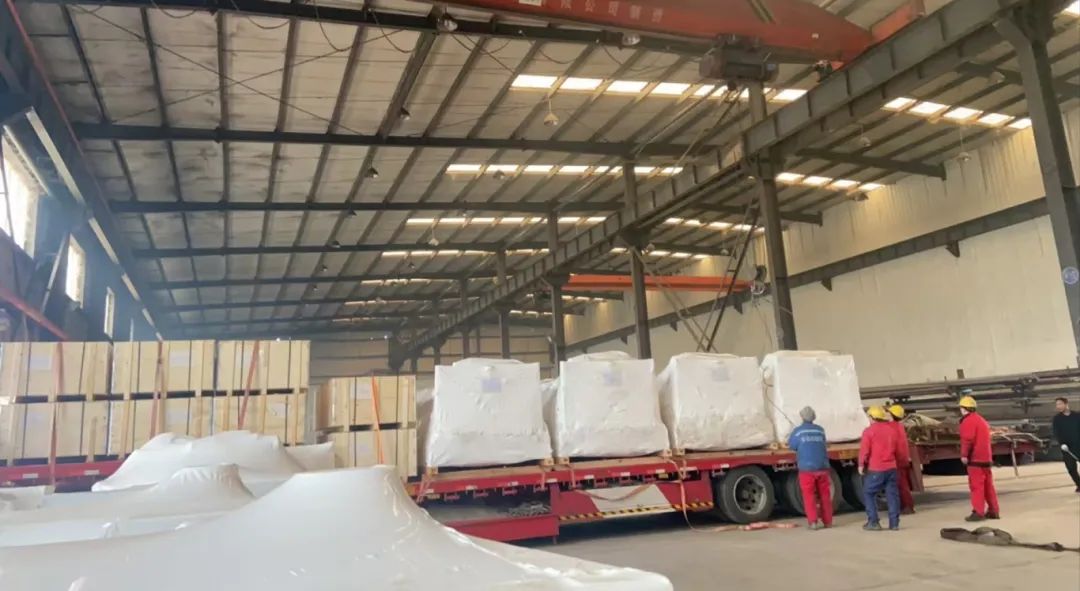
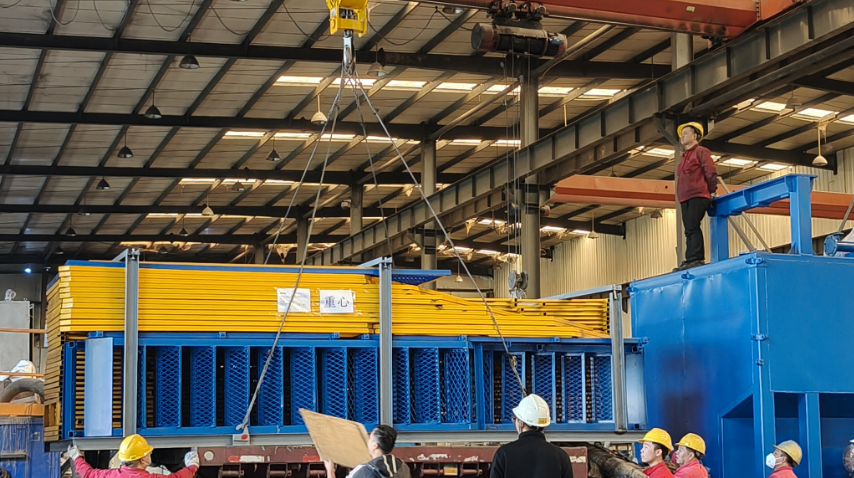
    A batch of black rhino drilling fluid shakers produced by Xi 'an KOSUN were successfully sent overseas for use in oil drilling mud treatment projects. The successful delivery of this batch of equipment demonstrates Xi 'an Kosun's excellent performance and reliable delivery capability in international projects.
     
    黑犀牛振动筛.jpg
     
    Black Rhino drilling Fluid Shaker is an efficient solid control device designed by Xi 'an KOSUN for the oil and gas drilling industry, which is used to deal with drilling fluid (also known as mud) generated during drilling.
    8台黑犀牛发货.jpg


    It is mainly composed of rugged screen box, precision screen, efficient vibration excitation motor, spring element for shock absorption, base to provide stable support, feed and discharge ports for receiving and discharging materials, advanced control system, and protection devices to ensure safe operation and other key components. It has the advantages of efficient separation of large volume mud, fine separation of fine particles, stable operation and easy maintenance. The unique screen system can effectively separate solid particles from drilling fluid, thereby maintaining drilling fluid performance, reducing environmental pollution, and reducing drilling costs.
  • Kuwait 50 tons of landing sludge treatment project all shipped, Kosun’s excellent performance has won wide praise from international customers!

    Xi 'an Kosun undertakes Kuwait 50 tons of landing sludge treatment system has completed all product delivery, this is a set of high-tech integrated processing system,
    which is customized by Xi 'an Kosun professional production, aiming to provide efficient and environmentally friendly sludge treatment solutions for Kuwait.
     
     
    image.png
     
     
    The design and production process of the equipment fully reflects the technical strength and professionalism of Xi 'an Kosun.
    The system modules include spiral washing module, screening module, sand and oil removal module, waste oil separation module,
    centrifugal separation module, air flotation module, water circulation module, heating system and electrical control system.
    The whole system has the advantages of efficient processing capacity, easy operation and easy maintenance,
    which can effectively treat oily sludge waste and meet the local environmental protection requirements.
     
     
  • Mud Gas Separators – Design, Function, and Critical Role in Drilling Safety

    In oil and gas drilling, controlling wellbore pressure is crucial to prevent dangerous blowouts. A Mud Gas Separator (MGS),

    also known as a "poor boy degasser," is a key safety device that removes hazardous gases from drilling mud during a kick (uncontrolled influx of formation fluids).


    How a Mud Gas Separator Works

    An MGS operates on gravity separation and baffling mechanisms to separate gas from drilling mud. The process involves:

    1. Gas-Cut Mud Entry

      • Contaminated mud enters the MGS under pressure from the choke manifold.

      • The inlet is designed to reduce fluid velocity, allowing gas bubbles to rise.

    2. Separation Chamber

      • Baffle plates disrupt mud flow, enhancing gas breakout.

      • Liquid-gas segregation occurs as gas rises to the top while mud settles.

    3. Gas Venting

      • Separated gas exits through a vent line, typically routed to a flare stack.

      • Flame arrestors prevent ignition risks.

    4. Degassed Mud Return

      • Clean mud exits the bottom and returns to the mud pits for recirculation.
         

    Key Components of an MGS

    • Inlet & Outlet Nozzles – Control mud flow rate.

    • Baffles/Deflector Plates – Enhance gas separation.

    • Vent Line – Safely directs gas away from the rig.

    • Pressure Gauge & Safety Valves – Monitor and prevent overpressure.
       

    Why MGS is Critical in Well Control

    • Prevents gas buildup in the mud system, reducing explosion risks.

    • Protects downstream equipment (e.g., shale shakers, degassers).

    • Complies with API RP 53 and other safety regulations.


    A properly functioning MGS is a last line of defense before gas reaches the rig floor. Regular maintenance and correct operation are essential to prevent catastrophic failures.

  • Sustainable Waste Management Practices for Drilling Fluids in the Oil & Gas Sector

    Drilling fluids are essential for efficient wellbore stability, lubrication, and cuttings removal in oil and gas operations. However, their disposal poses significant environmental and regulatory challenges. Effective waste management for drilling fluids is critical to minimizing ecological impact while ensuring compliance with industry standards


    Key Challenges

    • Contaminants: Spent drilling fluids may contain hydrocarbons, heavy metals, and chemical additives.

    • Regulatory Compliance: Strict EPA, OSHA, and regional regulations govern disposal methods.

    • Cost of Disposal: Traditional methods like landfills and offshore discharge are becoming more expensive due to tighter restrictions.

    Best Practices

    1. Recycling & Reuse: Advanced separation technologies recover base oils and water, reducing waste volume.

    2. Bioremediation: Microorganisms degrade organic pollutants in oil-based muds.

    3. Thermal Desorption: Heats waste to separate reusable components from hazardous solids.

    4. Solidification/Stabilization: Binders immobilize contaminants to prevent leaching.


    Adopting sustainable drilling fluid waste management strategies not only reduces environmental risks but also enhances operational efficiency and cost savings.

  • Sustainable Waste Management Practices for Drilling Fluids in the Oil & Gas Sector

    Drilling fluids are essential for efficient wellbore stability, lubrication, and cuttings removal in oil and gas operations. However, their disposal poses significant environmental and regulatory challenges. Effective waste management for drilling fluids is critical to minimizing ecological impact while ensuring compliance with industry standards


    Key Challenges

    • Contaminants: Spent drilling fluids may contain hydrocarbons, heavy metals, and chemical additives.

    • Regulatory Compliance: Strict EPA, OSHA, and regional regulations govern disposal methods.

    • Cost of Disposal: Traditional methods like landfills and offshore discharge are becoming more expensive due to tighter restrictions.

    Best Practices

    1. Recycling & Reuse: Advanced separation technologies recover base oils and water, reducing waste volume.

    2. Bioremediation: Microorganisms degrade organic pollutants in oil-based muds.

    3. Thermal Desorption: Heats waste to separate reusable components from hazardous solids.

    4. Solidification/Stabilization: Binders immobilize contaminants to prevent leaching.


    Adopting sustainable drilling fluid waste management strategies not only reduces environmental risks but also enhances operational efficiency and cost savings.

  • KOSUN has the ability to manufacture oilfield mud tanks

    KOSUN is a manufacturer of oilfield mud tanks. The design and structure of the oilfield mud tanks can be customized to meet specific drilling requirements for customers.
     
    The oilfield mud tank is a device used for storing and treating drilling mud. As a mud carrier, it is typically composed of one or more containers that can hold a large amount of mud. It is an essential component of the mud circulation system. Mud tanks can perform a series of processes, including weighing, mixing, solid-liquid separation, and degassing, playing a crucial role in the field of oil drilling.
     
    KOSUN’s oilfield mud tanks are designed with a layered structure, typically consisting of two layers that allow for the separate storage and treatment of mud with different densities and properties. This ensures the quality and performance of the mud during the drilling process. Additionally, the mud tanks are equipped with a mixing system to agitate and mix the mud, ensuring its uniformity and stability. Mud tanks are equipped with inlet and outlet interfaces, which are used to connect other equipment and pipelines for the transportation and treatment of mud.
     
    KOSUN Oilfeild Mud Tank adopts mode of centralized electric control, which means all of its pipes manifold ( including cement mixing pipe manifold, mud gun pipe manifold, mud pumping pipe manifold, resupplying pipe manifold ) are all built-in so as to make their installation, dismantlement and transportation very handy. In the polar regions, these mud tanks are especially advantageous, being equipped with a heating supply system and thermal insulation system. When applied in drilling blocks, KOSUN Mud Tank has also got the advantages as below: ensuring the conservation of mud, reducing environmental pollution, lowering labor intensity and satisfying requirements of drilling timely via the quick concoction of drilling fluids.

    Tags: mud tankmanufacturer, drilling mud tank,oilfield mud tank,oilfield drilling mud tank,drilling mud recycling tank,drilling mud storage tank,mud tanks supplier,mud tank price, mud tanks drilling rig, drilling rig mud tanks, drilling fluid tank cost, reserve tank in mud system, mud storage tank, mud tank system for sale, mud tank in drilling rig, mud tank manufacturers, mud tanks on drilling rig, mud tank system drilling rig