博客

  • Introduction to trenchless pipe jacking.


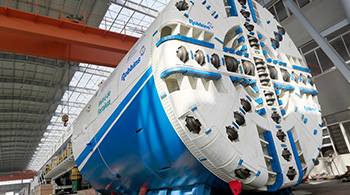
    Pipe jacking engineering is a trenchless underground pipeline construction technology, which is mainly used to lay or replace underground pipelines without damaging the ground structure.
    The so-called pipe jacking is to use the jacking force generated by the jacking equipment (such as the main top cylinder, trunk, etc.)
    in the working pit to overcome the friction between the pipeline and the surrounding soil, and push the pipeline into the soil according to the design slope.
    The front end of the pipe is usually equipped with a tool pipe or a boring machine to break up the soil in front of it,
    and the pipe is then gradually advanced until the pipe is buried between the two pits.

     

    The role of mud in pipe jacking
    In jacking construction, mixing mud (generally containing bentonite, carboxymethyl cellulose CMC,
    water, according to a certain proportion of the formation) is injected into the outer wall of the pipe joint to form a mud jacket and reduce the friction resistance between the pipe wall and the soil.
    In the process of conveying and filling, the mixing mud has fluidity, which is gelatinous or paste, and plays the role of lubrication and drag reduction.
    After a certain standing time, the mud consolidation is gelled and has a protective effect on the soil .
    When the pipe joint is jacked, the mud is disturbed and then formed into a gel or paste, and the process repeats throughout the whole jacking process.
     

  • Essential Technology for Efficient Solid-Liquid Separation

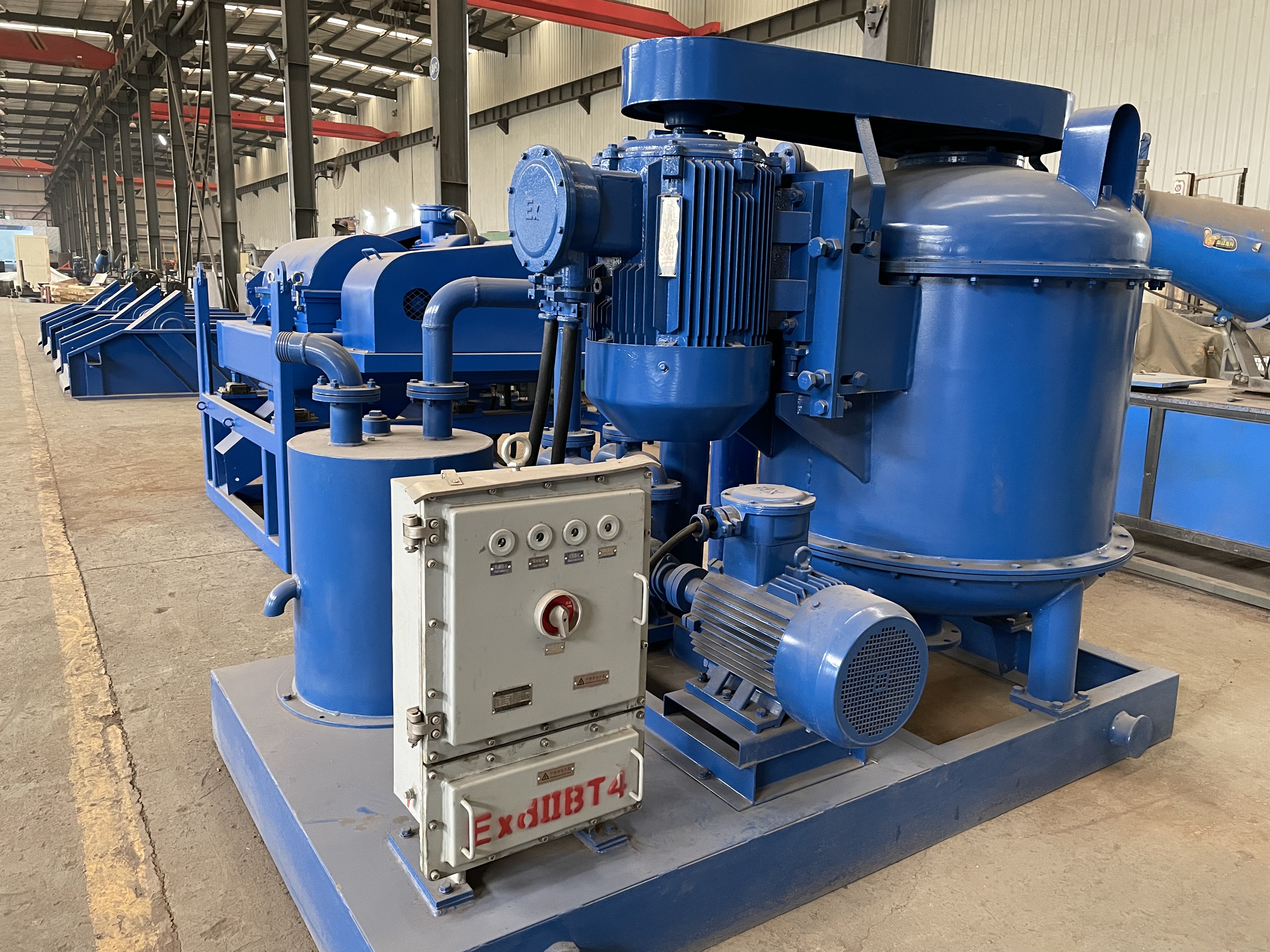
    A Vacuum Degasser is a critical piece of equipment in industries requiring efficient solid-liquid separation, particularly in oilfield drilling, wastewater treatment, and industrial sludge processing. By removing dissolved gases (such as methane, hydrogen sulfide, and air) from drilling fluids, slurries, and industrial liquids, vacuum degassers enhance operational safety, improve fluid performance, and prevent equipment corrosion.


    KOSUN specializes in high-performance vacuum degassing systems, integrating advanced engineering with eco-friendly solutions for global clients.


    How Does a Vacuum Degasser Work?

    Vacuum degassers operate on the principle of pressure reduction, creating a low-pressure environment where dissolved gases are extracted from liquids.

    The process involves:

    1. Suction & Intake – Contaminated fluid enters the degasser under vacuum pressure.

    2. Gas Separation – Reduced pressure causes dissolved gases to expand and escape.

    3. Liquid Purification – Cleaned fluid is discharged for reuse, while extracted gases are safely vented or processed.

    This technology is vital in oil & gas drilling, where gas-cut mud can lead to well control issues, pump inefficiency, and safety hazards.


    Key Applications of Vacuum Degassers

    1. Oilfield & Drilling Operations

    • Removes dangerous gases (H₂S, CH₄) from drilling mud

    • Maintains mud weight stability, preventing blowouts

    • Enhances drilling fluid recyclability, reducing costs
       

    2. Industrial Wastewater Treatment

    • Eliminates volatile organic compounds (VOCs) from wastewater

    • Prevents foaming and cavitation in pumps and pipelines

    • Improves effluent quality for environmental compliance
       

    3. Geothermal & HDD (Horizontal Directional Drilling)

    • Ensures clean drilling fluid for extended equipment life

    • Reduces corrosion and oxidation in drilling systems
       

    4. Sludge & Slurry Processing

    • Optimizes dewatering efficiency in industrial separation

    • Minimizes odor and gas-related hazards

    •  
  • Essential Technology for Efficient Solid-Liquid Separation

    A Vacuum Degasser is a critical piece of equipment in industries requiring efficient solid-liquid separation, particularly in oilfield drilling, wastewater treatment, and industrial sludge processing. By removing dissolved gases (such as methane, hydrogen sulfide, and air) from drilling fluids, slurries, and industrial liquids, vacuum degassers enhance operational safety, improve fluid performance, and prevent equipment corrosion.


    KOSUN specializes in high-performance vacuum degassing systems, integrating advanced engineering with eco-friendly solutions for global clients.


    How Does a Vacuum Degasser Work?

    Vacuum degassers operate on the principle of pressure reduction, creating a low-pressure environment where dissolved gases are extracted from liquids.

    The process involves:

    1. Suction & Intake – Contaminated fluid enters the degasser under vacuum pressure.

    2. Gas Separation – Reduced pressure causes dissolved gases to expand and escape.

    3. Liquid Purification – Cleaned fluid is discharged for reuse, while extracted gases are safely vented or processed.

    This technology is vital in oil & gas drilling, where gas-cut mud can lead to well control issues, pump inefficiency, and safety hazards.


    Key Applications of Vacuum Degassers

    1. Oilfield & Drilling Operations

    • Removes dangerous gases (H₂S, CH₄) from drilling mud

    • Maintains mud weight stability, preventing blowouts

    • Enhances drilling fluid recyclability, reducing costs
       

    2. Industrial Wastewater Treatment

    • Eliminates volatile organic compounds (VOCs) from wastewater

    • Prevents foaming and cavitation in pumps and pipelines

    • Improves effluent quality for environmental compliance
       

    3. Geothermal & HDD (Horizontal Directional Drilling)

    • Ensures clean drilling fluid for extended equipment life

    • Reduces corrosion and oxidation in drilling systems
       

    4. Sludge & Slurry Processing

    • Optimizes dewatering efficiency in industrial separation

    • Minimizes odor and gas-related hazards

    •  
  • Essential Technology for Efficient Solid-Liquid Separation

    A Vacuum Degasser is a critical piece of equipment in industries requiring efficient solid-liquid separation, particularly in oilfield drilling, wastewater treatment, and industrial sludge processing. By removing dissolved gases (such as methane, hydrogen sulfide, and air) from drilling fluids, slurries, and industrial liquids, vacuum degassers enhance operational safety, improve fluid performance, and prevent equipment corrosion.


    KOSUN specializes in high-performance vacuum degassing systems, integrating advanced engineering with eco-friendly solutions for global clients.


    How Does a Vacuum Degasser Work?

    Vacuum degassers operate on the principle of pressure reduction, creating a low-pressure environment where dissolved gases are extracted from liquids.

    The process involves:

    1. Suction & Intake – Contaminated fluid enters the degasser under vacuum pressure.

    2. Gas Separation – Reduced pressure causes dissolved gases to expand and escape.

    3. Liquid Purification – Cleaned fluid is discharged for reuse, while extracted gases are safely vented or processed.

    This technology is vital in oil & gas drilling, where gas-cut mud can lead to well control issues, pump inefficiency, and safety hazards.


    Key Applications of Vacuum Degassers

    1. Oilfield & Drilling Operations

    • Removes dangerous gases (H₂S, CH₄) from drilling mud

    • Maintains mud weight stability, preventing blowouts

    • Enhances drilling fluid recyclability, reducing costs
       

    2. Industrial Wastewater Treatment

    • Eliminates volatile organic compounds (VOCs) from wastewater

    • Prevents foaming and cavitation in pumps and pipelines

    • Improves effluent quality for environmental compliance
       

    3. Geothermal & HDD (Horizontal Directional Drilling)

    • Ensures clean drilling fluid for extended equipment life

    • Reduces corrosion and oxidation in drilling systems
       

    4. Sludge & Slurry Processing

    • Optimizes dewatering efficiency in industrial separation

    • Minimizes odor and gas-related hazards

    •  
  • Essential Technology for Efficient Solid-Liquid Separation

    A Vacuum Degasser is a critical piece of equipment in industries requiring efficient solid-liquid separation, particularly in oilfield drilling, wastewater treatment, and industrial sludge processing. By removing dissolved gases (such as methane, hydrogen sulfide, and air) from drilling fluids, slurries, and industrial liquids, vacuum degassers enhance operational safety, improve fluid performance, and prevent equipment corrosion.


    KOSUN specializes in high-performance vacuum degassing systems, integrating advanced engineering with eco-friendly solutions for global clients.


    How Does a Vacuum Degasser Work?

    Vacuum degassers operate on the principle of pressure reduction, creating a low-pressure environment where dissolved gases are extracted from liquids.

    The process involves:

    1. Suction & Intake – Contaminated fluid enters the degasser under vacuum pressure.

    2. Gas Separation – Reduced pressure causes dissolved gases to expand and escape.

    3. Liquid Purification – Cleaned fluid is discharged for reuse, while extracted gases are safely vented or processed.

    This technology is vital in oil & gas drilling, where gas-cut mud can lead to well control issues, pump inefficiency, and safety hazards.


    Key Applications of Vacuum Degassers

    1. Oilfield & Drilling Operations

    • Removes dangerous gases (H₂S, CH₄) from drilling mud

    • Maintains mud weight stability, preventing blowouts

    • Enhances drilling fluid recyclability, reducing costs
       

    2. Industrial Wastewater Treatment

    • Eliminates volatile organic compounds (VOCs) from wastewater

    • Prevents foaming and cavitation in pumps and pipelines

    • Improves effluent quality for environmental compliance
       

    3. Geothermal & HDD (Horizontal Directional Drilling)

    • Ensures clean drilling fluid for extended equipment life

    • Reduces corrosion and oxidation in drilling systems
       

    4. Sludge & Slurry Processing

    • Optimizes dewatering efficiency in industrial separation

    • Minimizes odor and gas-related hazards

    •  
  • Essential Technology for Efficient Solid-Liquid Separation

    A Vacuum Degasser is a critical piece of equipment in industries requiring efficient solid-liquid separation, particularly in oilfield drilling, wastewater treatment, and industrial sludge processing. By removing dissolved gases (such as methane, hydrogen sulfide, and air) from drilling fluids, slurries, and industrial liquids, vacuum degassers enhance operational safety, improve fluid performance, and prevent equipment corrosion.


    KOSUN specializes in high-performance vacuum degassing systems, integrating advanced engineering with eco-friendly solutions for global clients.


    How Does a Vacuum Degasser Work?

    Vacuum degassers operate on the principle of pressure reduction, creating a low-pressure environment where dissolved gases are extracted from liquids.

    The process involves:

    1. Suction & Intake – Contaminated fluid enters the degasser under vacuum pressure.

    2. Gas Separation – Reduced pressure causes dissolved gases to expand and escape.

    3. Liquid Purification – Cleaned fluid is discharged for reuse, while extracted gases are safely vented or processed.

    This technology is vital in oil & gas drilling, where gas-cut mud can lead to well control issues, pump inefficiency, and safety hazards.


    Key Applications of Vacuum Degassers

    1. Oilfield & Drilling Operations

    • Removes dangerous gases (H₂S, CH₄) from drilling mud

    • Maintains mud weight stability, preventing blowouts

    • Enhances drilling fluid recyclability, reducing costs
       

    2. Industrial Wastewater Treatment

    • Eliminates volatile organic compounds (VOCs) from wastewater

    • Prevents foaming and cavitation in pumps and pipelines

    • Improves effluent quality for environmental compliance
       

    3. Geothermal & HDD (Horizontal Directional Drilling)

    • Ensures clean drilling fluid for extended equipment life

    • Reduces corrosion and oxidation in drilling systems
       

    4. Sludge & Slurry Processing

    • Optimizes dewatering efficiency in industrial separation

    • Minimizes odor and gas-related hazards

    •  
  • Essential Technology for Efficient Solid-Liquid Separation

    A Vacuum Degasser is a critical piece of equipment in industries requiring efficient solid-liquid separation, particularly in oilfield drilling, wastewater treatment, and industrial sludge processing. By removing dissolved gases (such as methane, hydrogen sulfide, and air) from drilling fluids, slurries, and industrial liquids, vacuum degassers enhance operational safety, improve fluid performance, and prevent equipment corrosion.


    KOSUN specializes in high-performance vacuum degassing systems, integrating advanced engineering with eco-friendly solutions for global clients.


    How Does a Vacuum Degasser Work?

    Vacuum degassers operate on the principle of pressure reduction, creating a low-pressure environment where dissolved gases are extracted from liquids.

    The process involves:

    1. Suction & Intake – Contaminated fluid enters the degasser under vacuum pressure.

    2. Gas Separation – Reduced pressure causes dissolved gases to expand and escape.

    3. Liquid Purification – Cleaned fluid is discharged for reuse, while extracted gases are safely vented or processed.

    This technology is vital in oil & gas drilling, where gas-cut mud can lead to well control issues, pump inefficiency, and safety hazards.


    Key Applications of Vacuum Degassers

    1. Oilfield & Drilling Operations

    • Removes dangerous gases (H₂S, CH₄) from drilling mud

    • Maintains mud weight stability, preventing blowouts

    • Enhances drilling fluid recyclability, reducing costs
       

    2. Industrial Wastewater Treatment

    • Eliminates volatile organic compounds (VOCs) from wastewater

    • Prevents foaming and cavitation in pumps and pipelines

    • Improves effluent quality for environmental compliance
       

    3. Geothermal & HDD (Horizontal Directional Drilling)

    • Ensures clean drilling fluid for extended equipment life

    • Reduces corrosion and oxidation in drilling systems
       

    4. Sludge & Slurry Processing

    • Optimizes dewatering efficiency in industrial separation

    • Minimizes odor and gas-related hazards

    •  
  • Essential Technology for Efficient Solid-Liquid Separation

    A Vacuum Degasser is a critical piece of equipment in industries requiring efficient solid-liquid separation, particularly in oilfield drilling, wastewater treatment, and industrial sludge processing. By removing dissolved gases (such as methane, hydrogen sulfide, and air) from drilling fluids, slurries, and industrial liquids, vacuum degassers enhance operational safety, improve fluid performance, and prevent equipment corrosion.


    KOSUN specializes in high-performance vacuum degassing systems, integrating advanced engineering with eco-friendly solutions for global clients.


    How Does a Vacuum Degasser Work?

    Vacuum degassers operate on the principle of pressure reduction, creating a low-pressure environment where dissolved gases are extracted from liquids.

    The process involves:

    1. Suction & Intake – Contaminated fluid enters the degasser under vacuum pressure.

    2. Gas Separation – Reduced pressure causes dissolved gases to expand and escape.

    3. Liquid Purification – Cleaned fluid is discharged for reuse, while extracted gases are safely vented or processed.

    This technology is vital in oil & gas drilling, where gas-cut mud can lead to well control issues, pump inefficiency, and safety hazards.


    Key Applications of Vacuum Degassers

    1. Oilfield & Drilling Operations

    • Removes dangerous gases (H₂S, CH₄) from drilling mud

    • Maintains mud weight stability, preventing blowouts

    • Enhances drilling fluid recyclability, reducing costs
       

    2. Industrial Wastewater Treatment

    • Eliminates volatile organic compounds (VOCs) from wastewater

    • Prevents foaming and cavitation in pumps and pipelines

    • Improves effluent quality for environmental compliance
       

    3. Geothermal & HDD (Horizontal Directional Drilling)

    • Ensures clean drilling fluid for extended equipment life

    • Reduces corrosion and oxidation in drilling systems
       

    4. Sludge & Slurry Processing

    • Optimizes dewatering efficiency in industrial separation

    • Minimizes odor and gas-related hazards

    •  
  • Essential Technology for Efficient Solid-Liquid Separation

    A Vacuum Degasser is a critical piece of equipment in industries requiring efficient solid-liquid separation, particularly in oilfield drilling, wastewater treatment, and industrial sludge processing. By removing dissolved gases (such as methane, hydrogen sulfide, and air) from drilling fluids, slurries, and industrial liquids, vacuum degassers enhance operational safety, improve fluid performance, and prevent equipment corrosion.


    KOSUN specializes in high-performance vacuum degassing systems, integrating advanced engineering with eco-friendly solutions for global clients.


    How Does a Vacuum Degasser Work?

    Vacuum degassers operate on the principle of pressure reduction, creating a low-pressure environment where dissolved gases are extracted from liquids.

    The process involves:

    1. Suction & Intake – Contaminated fluid enters the degasser under vacuum pressure.

    2. Gas Separation – Reduced pressure causes dissolved gases to expand and escape.

    3. Liquid Purification – Cleaned fluid is discharged for reuse, while extracted gases are safely vented or processed.

    This technology is vital in oil & gas drilling, where gas-cut mud can lead to well control issues, pump inefficiency, and safety hazards.


    Key Applications of Vacuum Degassers

    1. Oilfield & Drilling Operations

    • Removes dangerous gases (H₂S, CH₄) from drilling mud

    • Maintains mud weight stability, preventing blowouts

    • Enhances drilling fluid recyclability, reducing costs
       

    2. Industrial Wastewater Treatment

    • Eliminates volatile organic compounds (VOCs) from wastewater

    • Prevents foaming and cavitation in pumps and pipelines

    • Improves effluent quality for environmental compliance
       

    3. Geothermal & HDD (Horizontal Directional Drilling)

    • Ensures clean drilling fluid for extended equipment life

    • Reduces corrosion and oxidation in drilling systems
       

    4. Sludge & Slurry Processing

    • Optimizes dewatering efficiency in industrial separation

    • Minimizes odor and gas-related hazards

    •  
  • Essential Technology for Efficient Solid-Liquid Separation

    A Vacuum Degasser is a critical piece of equipment in industries requiring efficient solid-liquid separation, particularly in oilfield drilling, wastewater treatment, and industrial sludge processing. By removing dissolved gases (such as methane, hydrogen sulfide, and air) from drilling fluids, slurries, and industrial liquids, vacuum degassers enhance operational safety, improve fluid performance, and prevent equipment corrosion.


    KOSUN specializes in high-performance vacuum degassing systems, integrating advanced engineering with eco-friendly solutions for global clients.


    How Does a Vacuum Degasser Work?

    Vacuum degassers operate on the principle of pressure reduction, creating a low-pressure environment where dissolved gases are extracted from liquids.

    The process involves:

    1. Suction & Intake – Contaminated fluid enters the degasser under vacuum pressure.

    2. Gas Separation – Reduced pressure causes dissolved gases to expand and escape.

    3. Liquid Purification – Cleaned fluid is discharged for reuse, while extracted gases are safely vented or processed.

    This technology is vital in oil & gas drilling, where gas-cut mud can lead to well control issues, pump inefficiency, and safety hazards.


    Key Applications of Vacuum Degassers

    1. Oilfield & Drilling Operations

    • Removes dangerous gases (H₂S, CH₄) from drilling mud

    • Maintains mud weight stability, preventing blowouts

    • Enhances drilling fluid recyclability, reducing costs
       

    2. Industrial Wastewater Treatment

    • Eliminates volatile organic compounds (VOCs) from wastewater

    • Prevents foaming and cavitation in pumps and pipelines

    • Improves effluent quality for environmental compliance
       

    3. Geothermal & HDD (Horizontal Directional Drilling)

    • Ensures clean drilling fluid for extended equipment life

    • Reduces corrosion and oxidation in drilling systems
       

    4. Sludge & Slurry Processing

    • Optimizes dewatering efficiency in industrial separation

    • Minimizes odor and gas-related hazards

    •