博客

  • Solid Control System for Oil and Gas Drilling

    Xi 'an KOSUN is a solid control equipment manufacturer with 32 years of history and rich experience in the solid control & drilling waste management industry.
    After years of experience accumulation, and field practice and summary, Xi 'an KOSUN has become the leader of China's solid control industry.
      Xi 'an KOSUN focus on providing reliable solutions for Solids Control Systems.


    The KOSUN solid control system is mainly composed of drilling fluid purification equipment, drilling fluid circulation tanks and auxiliary equipment (such as shale shaker,
    vacuum degasser, desander, desilter, sand pump, hopper, agitator, drilling fluid gun, auxiliary pipeline) and other components.
     
    The drilling fluid solid control system is one of the important components of the drilling rig module, and the configuration and selection of equipment are becoming more and more diversified. In terms of system composition, the early inherent equipment configuration can no longer meet the needs of modern drilling technology.
    In addition to considering the solid control of the drilling fluid, it should also have drilling fluid configuration, transportation, injection,
    recovery, safety, maintenance, redundant design, etc., and other functions.
     
    A complete solids control system should be able to meet the functions of drilling fluid purification, weighting and circulation,
    and the tank volume should be able to accommodate the maximum circulation volume of drilling fluid during the drilling process.
    Special attention should be paid to the mixing weighting device should be able to suck the drilling fluid in each tank compartment (except the grit chamber)
    through the suction pipeline. The weighted drilling fluid can be transported to the replenishment bin and other tank compartments by the discharge pipeline.
     
    Xi'an KOSUN specializes in the production of various solids control equipment, shale shakers, mud cleaners, desanders, desilters,
    degassers, centrifuges, mud agitator, etc. If you have any requirements, please feel free to send an inquiry to us: office@adkosun.com.
    Tags: solids control system, solid control equipment manufacturer, drilling fluid solid control system


  • Mud Tanks: The Essential Component of Drilling Fluid Systems

    Introduction to Mud Tanks in Drilling Operations

    Mud tanks are fundamental to any drilling operation, serving as the central hub for drilling fluid storage, mixing, and circulation.
    These robust steel containers play a critical role in maintaining optimal drilling fluid properties,
    ensuring smooth operations in oil & gas, HDD (Horizontal Directional Drilling), and geothermal drilling projects.

    This comprehensive guide explores mud tank functions, configurations, benefits,
    and selection criteria
     to help you optimize your drilling fluid management system.


    What is a Mud Tank?

    A mud tank (also called a mud pit) is a large steel container designed to:

    • Store and condition drilling fluids

    • Allow for proper fluid mixing and treatment

    • Facilitate solids control processes

    • Provide sufficient volume for fluid circulation
       

    Key Components of a Mud Tank System

    1. Compartments – Divided sections for fluid storage, mixing, and treatment

    2. Agitators – Prevent solids settlement and maintain fluid homogeneity

    3. Suction & Discharge Lines – Enable fluid circulation through the system

    4. Shale Shaker & Solids Control Equipment – Often mounted on top

    5. Walkways & Safety Features – Ensure safe access and operation


    Types of Mud Tanks

    1. Open Top Mud Tanks

    • Most common configuration

    • Easy access for maintenance

    • Typically used with shale shakers and other surface equipment

    2. Closed Loop Mud Tanks

    • Enclosed design minimizes evaporation

    • Better for cold weather operations

    • Reduces environmental exposure

    3. Modular/Skid-Mounted Tanks

    • Portable and easy to transport

    • Quick rig-up/rig-down capability

    • Ideal for remote locations

    4. Custom-Designed Tanks

    • Tailored to specific project requirements

    • May include integrated mixing systems

    • Can combine multiple functions


    Critical Functions of Mud Tanks

    1. Fluid Storage & Volume Management

    • Maintain sufficient fluid volume for continuous circulation

    • Allow for proper fluid conditioning between cycles

    2. Solids Control Integration

    • Work with shale shakers, desanders, and centrifuges

    • Provide settling areas for solids removal

    3. Chemical Mixing & Treatment

    • Enable proper blending of additives (bentonite, polymers)

    • Maintain consistent fluid properties

    4. Pressure & Temperature Regulation

    • Help stabilize fluid temperature

    • Provide surge capacity for pressure fluctuations


    Benefits of Proper Mud Tank Systems

    ✔ Improved Drilling Efficiency – Consistent fluid properties enhance ROP
    ✔ Cost Reduction – Better fluid recovery lowers mud costs
    ✔ Environmental Compliance – Proper containment prevents spills
    ✔ Enhanced Safety – Reduces slip hazards and improves worksite organization
    ✔ Equipment Protection – Clean fluid extends pump and tool life


    Choosing the Right Mud Tank

    Consider these factors when selecting mud tanks:

    1. Capacity Requirements

    • Match tank volume to drilling program needs

    • Consider 1.5-2x circulating volume for safety margin

    2. Material Construction

    • Carbon steel for most applications

    • Stainless steel for corrosive environments

    3. Mobility Needs

    • Skid-mounted for easy transport

    • Permanent installations for long-term projects

    4. Integration Capabilities

    • Compatibility with existing solids control equipment

    • Space for future system expansions

    5. Regulatory Compliance

    • Meet API and local environmental standards

    • Include proper containment features


    Maintenance Best Practices

    1. Regular Inspections – Check for corrosion, leaks, and structural integrity

    2. Proper Cleaning – Remove solids buildup between jobs

    3. Agitator Maintenance – Ensure consistent mixing performance

    4. Valve & Line Checks – Prevent leaks and flow restrictions

    5. Safety Audits – Verify walkways, railings, and hazard markings


    Industry Applications

    Mud tanks are essential for:

    • Oil & Gas Drilling (onshore and offshore)

    • HDD (Horizontal Directional Drilling)

    • Geothermal Drilling Operations

    • Water Well Drilling

    • Mining Exploration

  • Drilling waste treatment and purification system

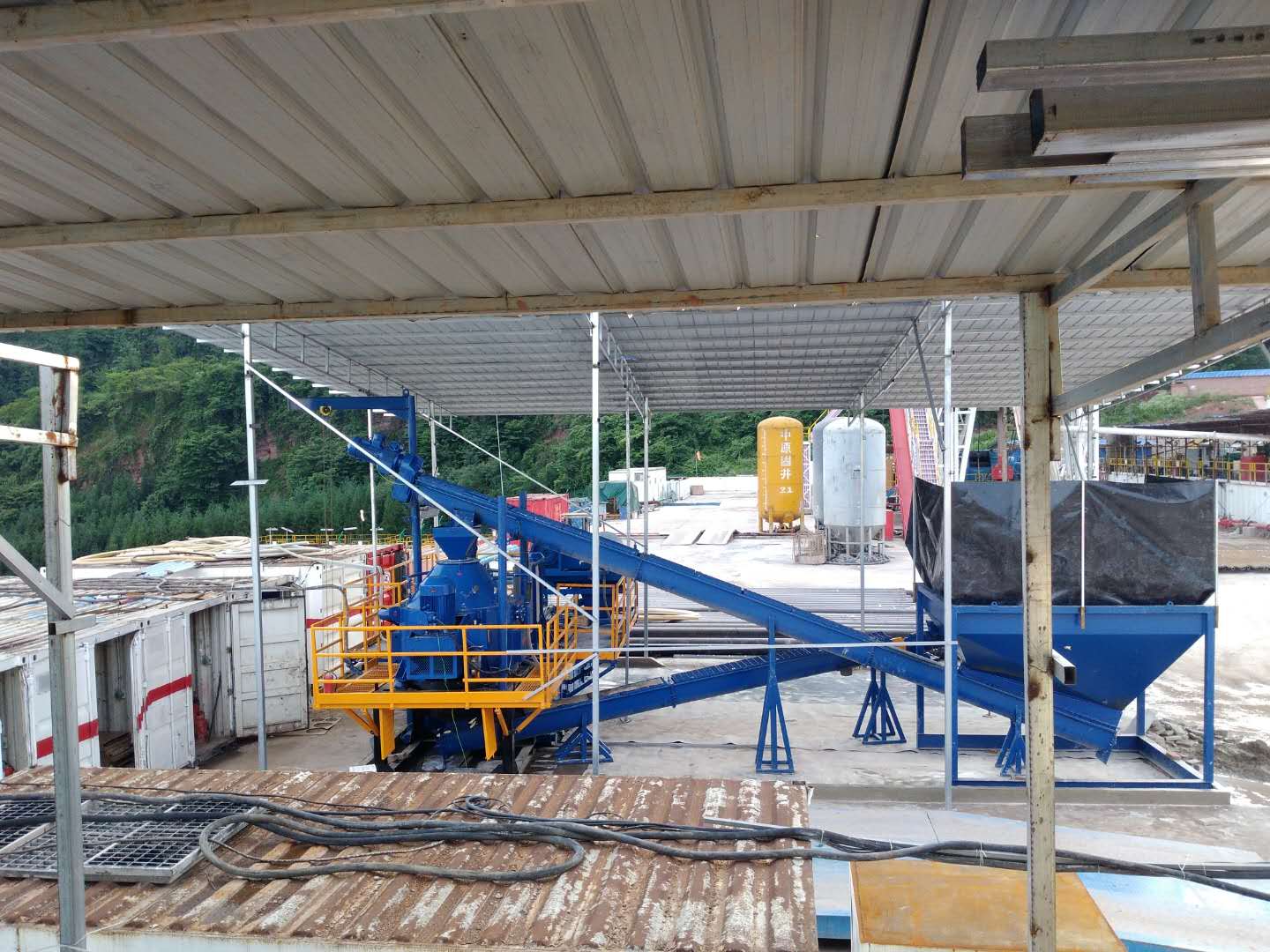
    In the process of oil and gas drilling, water-based mud is generally used in shallow Wells and oil-based mud is used in deep Wells. Conventional solid control equipment can effectively recover heavy stone and useful drilling fluid items. If these solid phase parts containing heavy metals and compounds (about 12% to 18% oil content) are discharged without treatment, long-term precipitation will cause great harm to nearby vegetation, soil, groundwater and other natural environments and human living environment. With the continuous improvement of environmental protection requirements, high requirements are put forward for drilling site cuttings treatment. The emergence of drilling waste treatment and purification system can not only solve the site environmental problems, but also carry out secondary recycling and treatment of the waste generated by the on-site solid control system. While retaining useful mud, the drilling cuttings after reprocessing are centralized solidified. Reduce the damage to the surrounding environment.

    Drilling waste treatment is to control the moisture content of drilling cuttings in drilling mud, stabilize the performance of the liquid phase, and achieve the purpose of dry treatment without landing, so that the liquid phase can meet the secondary reinjection utilization without damage. The environmental waste treatment system and the drilling mud non-landing treatment system can effectively realize the social value of the current environmental protection requirements and realize the economic value of the effective utilization of drilling fluid on the drilling site.
     
    Drilling waste treatment and purification system (mud non-landing system) usually includes dry vibrating screen, drilling chip drying machine, environmental protection centrifuge, screw conveyor, screw pump, etc. These mud non-landing equipment can be scientifically combined and configured according to the properties of the waste pulp separated from the solid control screen of the field drilling.

  • Mud/Gas Separator: Essential Equipment for Drilling Operations

    In the oil and gas drilling industry, efficient separation of drilling fluids (mud) and unwanted gases is crucial for operational safety and efficiency. A Mud/Gas Separator (MGS), also known as a poor boy degasser, plays a vital role in removing hazardous gases from drilling mud before further processing. This article explores how mud/gas separators work, their key components, benefits, and applications in drilling operations.

    What Is a Mud/Gas Separator?

    Mud/Gas Separator is a primary well control device designed to remove entrained gases (such as methane, hydrogen sulfide, or CO₂) from drilling mud. It is typically installed between the blowout preventer (BOP) and the mud gas separator (degasser) to ensure safe handling of gas kicks during drilling.
     

    Key Functions:

    • Separates gas from drilling mud to prevent equipment damage.

    • Reduces fire and explosion hazards.

    • Protects downstream equipment (e.g., shale shakers, centrifuges).

    • Ensures compliance with environmental and safety regulations.


    How Does a Mud/Gas Separator Work?

    The separator operates on gravity and centrifugal separation principles:

    1. Gas-Laden Mud Inlet: Contaminated mud enters the separator under pressure.

    2. Deflection Plate/Baffle System: Forces the mud to change direction, allowing gas bubbles to break out.

    3. Gas Venting: Liberated gas is safely vented through a flame arrestor or flare line.

    4. Degassed Mud Outlet: Cleaned mud exits the separator for further processing.

    Key Components:

    ✔ Inlet Line – Connects to the choke manifold.
    ✔ Deflection Plates – Enhance gas breakout.
    ✔ Vent Line – Safely directs gas away from the rig.
    ✔ Mud Outlet – Returns degassed mud to the pits.
    ✔ Pressure Relief Valve – Prevents over-pressurization.


    Benefits of Using a Mud/Gas Separator

    Enhanced Safety – Reduces explosion risks from trapped gas.
     Improved Drilling Efficiency – Prevents gas interference with mud pumps and shakers.
    Regulatory Compliance – Meets OSHA and API standards for well control.
    Cost Savings – Minimizes downtime and equipment damage.

    Applications in Drilling Operations

    • Onshore & Offshore Rigs – Critical for well control in gas-prone formations.

    • Underbalanced Drilling – Manages gas influx effectively.

    • Workover & Completion – Protects crews during well interventions.


    Maintenance & Best Practices

    • Regular Inspections – Check for corrosion, leaks, and valve functionality.

    • Proper Venting – Ensure gas is safely diverted away from ignition sources.

    • Training – Rig personnel should understand emergency procedures.


    Our company is a 30-year professional manufacturer of oil & gas drilling solids control equipment, drilling waste management equipment, mud zero-discharge equipment, environmental purification equipment, HDD and TBM slurry recycling system, etc.
    Let's connect, and we create big deals, on the basis of trust and broader benefits.
    Let’s revolutionize drilling together!

  • Solid Control System Centrifuge: The Ultimate Guide to Efficient Drilling Waste Management

    Why Your Drilling Operation Needs a Solid Control System Centrifuge

    In modern oil and gas drilling, managing drilling fluids and cuttings efficiently is crucial for:
    ✔ Cost Reduction – Saves up to 40% on mud recycling and disposal
    ✔ Environmental Compliance – Meets EPA, ISO 14001, and MARPOL standards
    ✔ Operational Efficiency – Maintains optimal mud properties for faster ROP (Rate of Penetration)

    solid control system centrifuge is the most advanced solution for removing 2-10 micron particles – the fines that traditional shale shakers and hydrocyclones can't capture.


    How a Solid Control Centrifuge Works

    3-Stage Separation Process

    1. Feed Inlet – Drilling fluid enters the rotating bowl (1,500-4,000 RPM)

    2. Centrifugal Force – Solids settle against the bowl wall (2,000-4,000 Gs)

    3. Dual Discharge – Dry solids ejected via scroll conveyor; clean fluid overflows

    Key Components:

    • Bowl: High-strength steel for durability

    • Scroll Conveyor: Continuous solids removal

    • Variable Frequency Drive (VFD): Adjusts speed for different mud types


    Top 5 Applications in Oil & Gas

    Application Benefit Recommended Model
    Weighted Mud Systems Recovers API-grade barite High-G centrifuge (≥3,000 Gs)
    Offshore Drilling Compact, marine-certified design Explosion-proof models
    Directional Wells Prevents stuck pipe by removing fines Variable-speed centrifuge
    Cuttings Processing Reduces OOC (Oil on Cuttings) to <1% 3-phase separation centrifuge
    Environmental Remediation Treats oil sludge for safe disposal High-capacity industrial centrifuge


    FAQs About Solid Control Centrifuges

    Q: How much drilling fluid can a centrifuge process?
    A: 50-300 GPM, depending on model and mud viscosity.

    Q: Can it handle high-density (>2.0 SG) mud?
    A: Yes, but requires specialized impellers and higher G-force.

    Q: What’s the ROI of adding a centrifuge?
    A: Most rigs see payback in <6 months via:

    • 30-50% lower fluid costs

    • 60% reduced disposal fees
       

    Why Choose Our Solid Control Centrifuges?

    ✅ Field-Proven – Operating in 50+ countries
    ✅ Custom Solutions – From desert to Arctic conditions
    ✅ 24/7 Support – With global spare parts network


  • Centrifuge for Oil Sludge Separation: Advanced Solution for Efficient Waste Treatment

    The Critical Role of Centrifuges in Oil Sludge Separation

    Oil sludge—a mixture of oil, water, and solids—is a major byproduct of petroleum refining, drilling operations, and tank cleaning. Traditional disposal methods are costly and environmentally hazardous. A centrifuge for oil sludge separation offers an efficient, cost-effective solution by:
    ✔ Recovering up to 95% of reusable oil
    ✔ Reducing waste volume by 70-90%
    ✔ Ensuring compliance with environmental regulations


    How a Centrifuge Separates Oil Sludge

    high-speed industrial centrifuge uses centrifugal force to split oil sludge into three layers:

    1. Recovered Oil (light phase) – Recycled back into production

    2. Water (middle phase) – Treated or discharged

    3. Solid Residue (heavy phase) – Safe disposal or further processing

    Key Components:

    • Rotating Bowl: Spins at 3,000-5,000 RPM for effective separation

    • Scroll Conveyor: Continuously discharges solids

    • Adjustable Weirs: Fine-tune separation efficiency


    Top Applications of Oil Sludge Centrifuges

    1. Oil Refineries & Storage Terminals

    • Clean tank bottom sludge

    • Recover valuable hydrocarbons

    2. Offshore & Onshore Drilling Rigs

    • Treat drilling cuttings and waste mud

    • Meet zero discharge requirements

    3. Environmental Remediation

    • Clean up oil spills and contaminated soil

    • Process hazardous waste safely

    4. Ship Bilge Water Treatment

    • Separate oil from marine wastewater

    • Comply with IMO & MARPOL standards


    FAQs About Oil Sludge Centrifuges

    Q: How much oil can I recover from tank bottom sludge?
    A: Typically 30-60% of sludge volume, depending on viscosity and age.

    Q: What maintenance does a sludge centrifuge need?
    A: Daily inspections, monthly bearing lubrication, and annual bowl refurbishment.

    Q: Can it handle emulsified oil?
    A: Yes, with pre-treatment chemicals or 3-phase separation models.


    Why Our Oil Sludge Centrifuges Stand Out

    ✅ Custom Designs for high-viscosity or abrasive sludge
    ✅ Mobile Units available for on-site treatment
    ✅ Global Service Network across Middle East & Asia


  • Centrifuge for Oil Sludge Separation: Advanced Solution for Efficient Waste Treatment

    The Critical Role of Centrifuges in Oil Sludge Separation

    Oil sludge—a mixture of oil, water, and solids—is a major byproduct of petroleum refining, drilling operations, and tank cleaning. Traditional disposal methods are costly and environmentally hazardous. A centrifuge for oil sludge separation offers an efficient, cost-effective solution by:
    ✔ Recovering up to 95% of reusable oil
    ✔ Reducing waste volume by 70-90%
    ✔ Ensuring compliance with environmental regulations


    How a Centrifuge Separates Oil Sludge

    high-speed industrial centrifuge uses centrifugal force to split oil sludge into three layers:

    1. Recovered Oil (light phase) – Recycled back into production

    2. Water (middle phase) – Treated or discharged

    3. Solid Residue (heavy phase) – Safe disposal or further processing

    Key Components:

    • Rotating Bowl: Spins at 3,000-5,000 RPM for effective separation

    • Scroll Conveyor: Continuously discharges solids

    • Adjustable Weirs: Fine-tune separation efficiency


    Top Applications of Oil Sludge Centrifuges

    1. Oil Refineries & Storage Terminals

    • Clean tank bottom sludge

    • Recover valuable hydrocarbons

    2. Offshore & Onshore Drilling Rigs

    • Treat drilling cuttings and waste mud

    • Meet zero discharge requirements

    3. Environmental Remediation

    • Clean up oil spills and contaminated soil

    • Process hazardous waste safely

    4. Ship Bilge Water Treatment

    • Separate oil from marine wastewater

    • Comply with IMO & MARPOL standards


    FAQs About Oil Sludge Centrifuges

    Q: How much oil can I recover from tank bottom sludge?
    A: Typically 30-60% of sludge volume, depending on viscosity and age.

    Q: What maintenance does a sludge centrifuge need?
    A: Daily inspections, monthly bearing lubrication, and annual bowl refurbishment.

    Q: Can it handle emulsified oil?
    A: Yes, with pre-treatment chemicals or 3-phase separation models.


    Why Our Oil Sludge Centrifuges Stand Out

    ✅ Custom Designs for high-viscosity or abrasive sludge
    ✅ Mobile Units available for on-site treatment
    ✅ Global Service Network across Middle East & Asia


  • Centrifuge for Oil Sludge Separation: Advanced Solution for Efficient Waste Treatment

    The Critical Role of Centrifuges in Oil Sludge Separation

    Oil sludge—a mixture of oil, water, and solids—is a major byproduct of petroleum refining, drilling operations, and tank cleaning. Traditional disposal methods are costly and environmentally hazardous. A centrifuge for oil sludge separation offers an efficient, cost-effective solution by:
    ✔ Recovering up to 95% of reusable oil
    ✔ Reducing waste volume by 70-90%
    ✔ Ensuring compliance with environmental regulations


    How a Centrifuge Separates Oil Sludge

    high-speed industrial centrifuge uses centrifugal force to split oil sludge into three layers:

    1. Recovered Oil (light phase) – Recycled back into production

    2. Water (middle phase) – Treated or discharged

    3. Solid Residue (heavy phase) – Safe disposal or further processing

    Key Components:

    • Rotating Bowl: Spins at 3,000-5,000 RPM for effective separation

    • Scroll Conveyor: Continuously discharges solids

    • Adjustable Weirs: Fine-tune separation efficiency


    Top Applications of Oil Sludge Centrifuges

    1. Oil Refineries & Storage Terminals

    • Clean tank bottom sludge

    • Recover valuable hydrocarbons

    2. Offshore & Onshore Drilling Rigs

    • Treat drilling cuttings and waste mud

    • Meet zero discharge requirements

    3. Environmental Remediation

    • Clean up oil spills and contaminated soil

    • Process hazardous waste safely

    4. Ship Bilge Water Treatment

    • Separate oil from marine wastewater

    • Comply with IMO & MARPOL standards


    FAQs About Oil Sludge Centrifuges

    Q: How much oil can I recover from tank bottom sludge?
    A: Typically 30-60% of sludge volume, depending on viscosity and age.

    Q: What maintenance does a sludge centrifuge need?
    A: Daily inspections, monthly bearing lubrication, and annual bowl refurbishment.

    Q: Can it handle emulsified oil?
    A: Yes, with pre-treatment chemicals or 3-phase separation models.


    Why Our Oil Sludge Centrifuges Stand Out

    ✅ Custom Designs for high-viscosity or abrasive sludge
    ✅ Mobile Units available for on-site treatment
    ✅ Global Service Network across Middle East & Asia


  • Centrifuge for Oil Sludge Separation: Advanced Solution for Efficient Waste Treatment

    The Critical Role of Centrifuges in Oil Sludge Separation

    Oil sludge—a mixture of oil, water, and solids—is a major byproduct of petroleum refining, drilling operations, and tank cleaning. Traditional disposal methods are costly and environmentally hazardous. A centrifuge for oil sludge separation offers an efficient, cost-effective solution by:
    ✔ Recovering up to 95% of reusable oil
    ✔ Reducing waste volume by 70-90%
    ✔ Ensuring compliance with environmental regulations


    How a Centrifuge Separates Oil Sludge

    high-speed industrial centrifuge uses centrifugal force to split oil sludge into three layers:

    1. Recovered Oil (light phase) – Recycled back into production

    2. Water (middle phase) – Treated or discharged

    3. Solid Residue (heavy phase) – Safe disposal or further processing

    Key Components:

    • Rotating Bowl: Spins at 3,000-5,000 RPM for effective separation

    • Scroll Conveyor: Continuously discharges solids

    • Adjustable Weirs: Fine-tune separation efficiency


    Top Applications of Oil Sludge Centrifuges

    1. Oil Refineries & Storage Terminals

    • Clean tank bottom sludge

    • Recover valuable hydrocarbons

    2. Offshore & Onshore Drilling Rigs

    • Treat drilling cuttings and waste mud

    • Meet zero discharge requirements

    3. Environmental Remediation

    • Clean up oil spills and contaminated soil

    • Process hazardous waste safely

    4. Ship Bilge Water Treatment

    • Separate oil from marine wastewater

    • Comply with IMO & MARPOL standards


    FAQs About Oil Sludge Centrifuges

    Q: How much oil can I recover from tank bottom sludge?
    A: Typically 30-60% of sludge volume, depending on viscosity and age.

    Q: What maintenance does a sludge centrifuge need?
    A: Daily inspections, monthly bearing lubrication, and annual bowl refurbishment.

    Q: Can it handle emulsified oil?
    A: Yes, with pre-treatment chemicals or 3-phase separation models.


    Why Our Oil Sludge Centrifuges Stand Out

    ✅ Custom Designs for high-viscosity or abrasive sludge
    ✅ Mobile Units available for on-site treatment
    ✅ Global Service Network across Middle East & Asia