分类: Industry Update

KOSUN exclusively manufacture solids control system,drilling mud solids control equipment,Oilfiled Solids Control,oil and gas drilling waste managemen

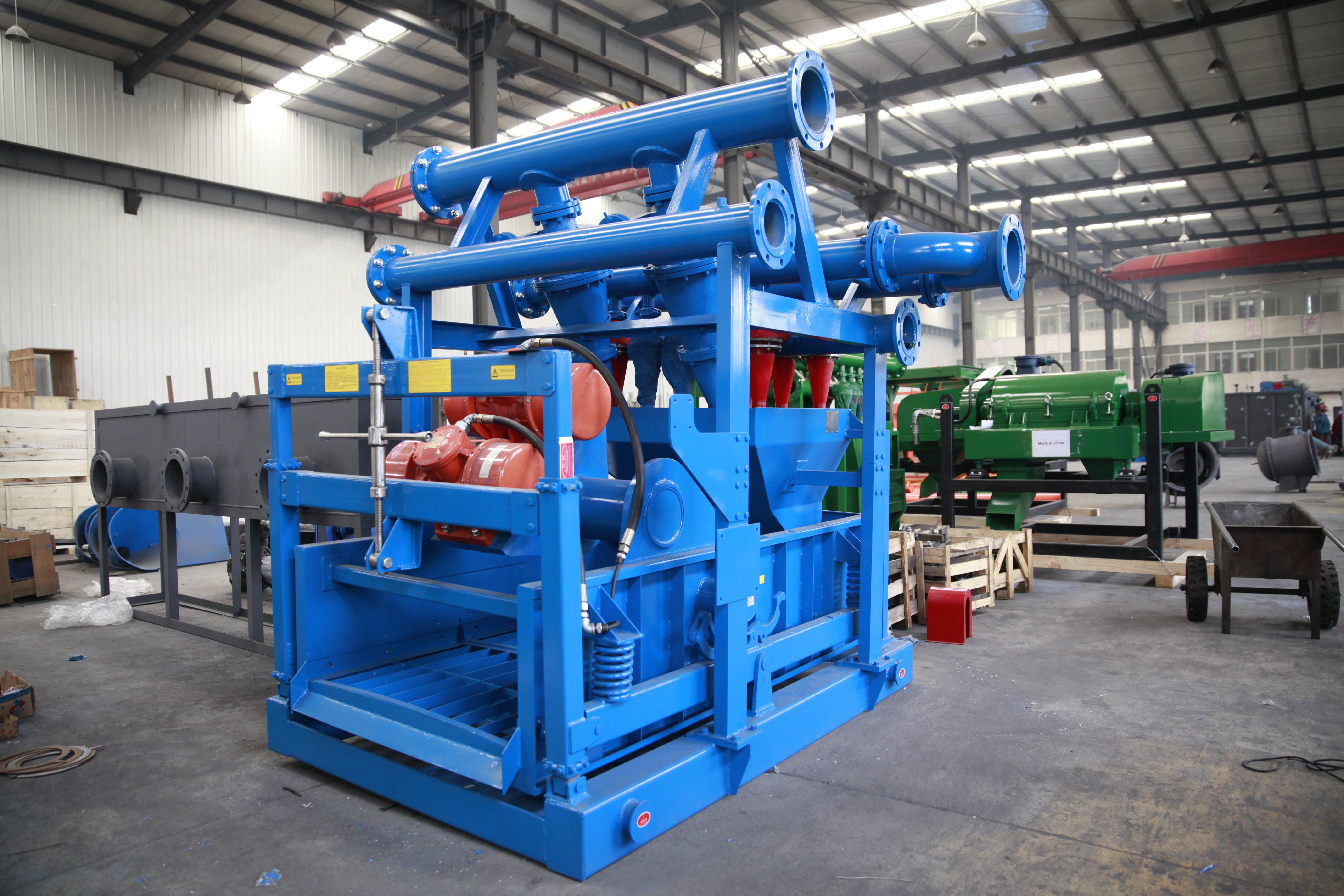
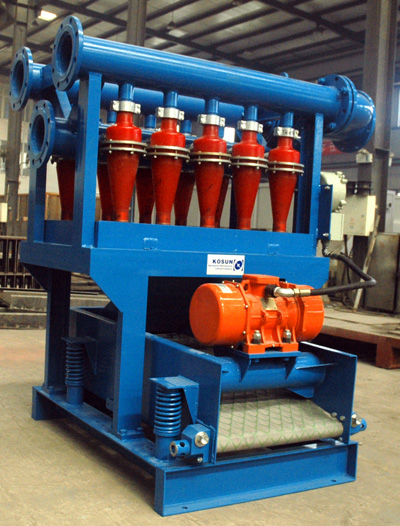
  • Oilfield Drilling Mud Desander– Maximize Fluid Cleanliness & Equipment Protection

    Elevate your drilling performance with our high-efficiency Oilfield Drilling Mud Desander,
    designed to remove harmful 45-100 micron solids before they damage pumps, pipes, and downstream equipment.


    Why Our Desander Stands Out:

    ✔ Superior Solids Removal – 12" hydrocyclones achieve 98%+ efficiency
    ✔ Heavy-Duty Construction – Reinforced steel manifold with abrasion-resistant polyurethane cones
    ✔ Plug-and-Play Operation – Integrates seamlessly with existing shale shakers and mud systems
    ✔ Flow Optimization – Handles 300-2000 GPM with adjustable pressure control
    ✔ API-Compliant Design – Meets RP 13C and 13B standards

    Critical Applications:

    • Onshore/offshore oil & gas drilling

    • High-pressure well sections

    • Saltwater and polymer-based mud systems

    • Workover and completion fluids

    Performance Advantages:
    → Extends mud life by 30%+
    → Reduces pump maintenance costs by 50%
    → Compatible with weighted muds up to 18 ppg

    Technical Specifications:
    • Max Capacity: 2000 GPM
    • Working Pressure: 0.2-0.4 MPa
    • Connection: 6"-10" flanged inlets
    • Weight: 800-2500 kg (configurable)

    Upgrade Your Solids Control Today! [Get Expert Consultation]

    #DrillingDesander #MudTreatment #OilfieldEquipment #SolidsControl #Hydrocyclone #RigOperations #DrillingOptimization

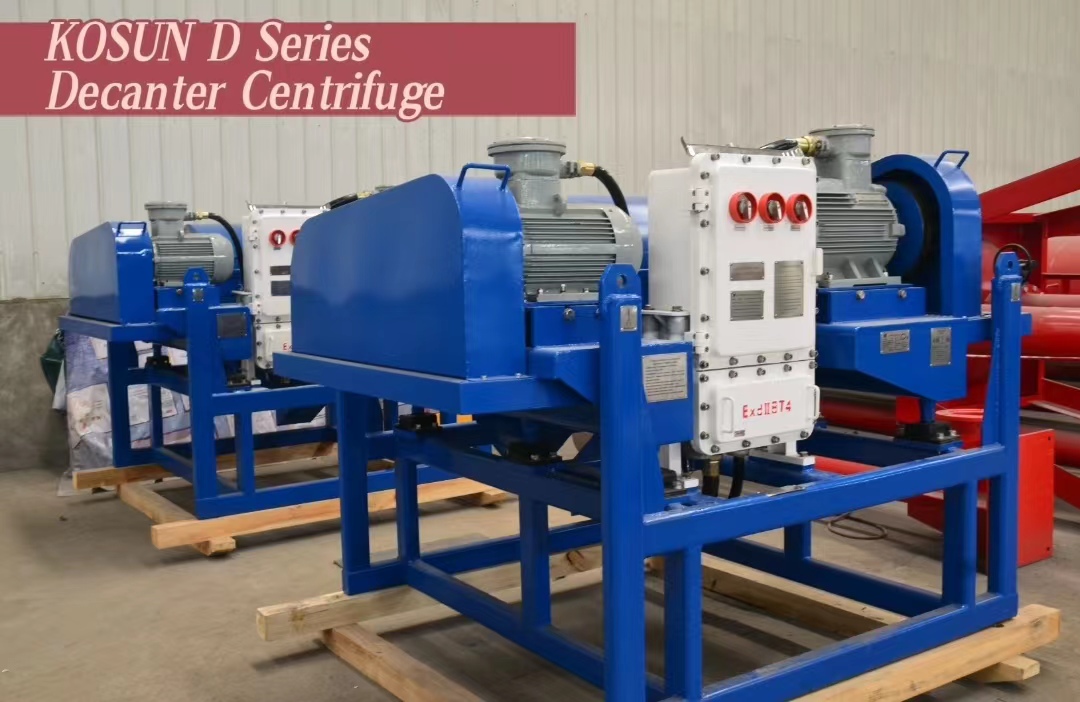
  • Boost Drilling Efficiency with KOSUN DC Series Decanter Centrifuge

    High-Performance Solids Control for Demanding Drilling Applications

    In the oil & gas, mining, and tunneling industries, efficient solids separation is critical for maintaining drilling fluid quality and reducing operational costs.
    The KOSUN DC Series Decanter Centrifuge delivers unmatched performance in removing fine solids, ensuring cleaner fluids and optimized drilling operations.


    Why Choose the KOSUN DC Series Decanter Centrifuge?

    ✔ Superior Solids Removal – Effectively separates fine particles down to 2-5 microns for cleaner drilling fluids.
    ✔ High-Speed G-Force Separation – Advanced centrifugal technology maximizes separation efficiency.
    ✔ Durable & Low-Maintenance – Robust construction with wear-resistant materials for extended service life.
    ✔ Energy-Efficient Operation – Optimized motor design reduces power consumption.
    ✔ Versatile Applications – Ideal for oil drilling, HDD, tunneling, and environmental slurry treatment.


    Key Features & Benefits

  • Oilfield Drilling Mud Desander: Essential Equipment for Efficient Solids Control

    Maximize Drilling Performance with Advanced Solids Removal Technology

    In modern drilling operations, maintaining clean drilling fluid is critical for operational efficiency and equipment protection.
    The Oilfield Drilling Mud Desander serves as the first line of defense in solids control,
    removing abrasive particles that can damage equipment and compromise drilling performance.


    Why Your Operation Needs a High-Quality Mud Desander

    Key Benefits of Proper Solids Removal

    ✔ Protects Downhole Equipment from abrasive wear
    ✔ Maintains Optimal Mud Properties for better hydraulics
    ✔ Reduces Non-Productive Time (NPT) caused by solids-related issues
    ✔ Extends Mud Life by removing contaminating particles
    ✔ Improves Rate of Penetration (ROP) through cleaner fluid


    How a Drilling Mud Desander Works

    Advanced Hydrocyclone Technology

    Our desanders utilize high-efficiency hydrocyclones to separate solids from drilling fluid through centrifugal force:

    1. Contaminated Mud Inlet – Fluid enters under pressure

    2. Cyclonic Separation – Centrifugal action forces solids outward

    3. Solids Discharge – Particles eject through the underflow

    4. Clean Mud Return – Purified fluid exits through the overflow
       

    Technical Specifications

    • Particle Removal Range: 40-100 microns

    • Flow Capacity: Up to 1,200 GPM

    • Pressure Requirement: 0.2-0.4 MPa

    • Separation Efficiency: Up to 95%
       

    Superior Features of Our Mud Desander

  • Drilling Mud Cooling System: Essential Technology for Optimal Drilling Performance

    Maintain Peak Efficiency with Advanced Mud Temperature Control

    In demanding drilling operations—whether for oil & gas, geothermal, or deepwater exploration—maintaining proper drilling mud temperature is critical for equipment safety, operational efficiency, and wellbore stability. A high-performance Drilling Mud Cooling System ensures your drilling fluids stay within optimal temperature ranges, preventing costly downtime and equipment failures.


    Why Is Mud Cooling Necessary?

    1. Prevents Equipment Overheating

    • Excessive heat degrades mud properties, reducing lubrication and viscosity

    • High temperatures can damage downhole tools, pumps, and seals

    • Prolongs the lifespan of mud motors, MWD/LWD tools, and other sensitive equipment
       

    2. Enhances Drilling Efficiency

    • Cooler mud maintains stable rheological properties for better hole cleaning

    • Reduces thermal thinning of synthetic/oil-based muds

    • Improves rate of penetration (ROP) by preventing thermal breakdown
       

    3. Ensures Wellbore Stability

    • Prevents thermal fracturing in sensitive formations

    • Reduces risks of lost circulation due to overheated drilling fluids

    • Helps maintain optimal pressure balance in HPHT (High-Pressure High-Temperature) wells


    How Does a Drilling Mud Cooling System Work?

    Our state-of-the-art cooling technology uses a closed-loop heat exchange process to efficiently regulate mud temperature:

    1. Hot Mud Inlet – High-temperature fluid enters the system

    2. Heat Exchanger Unit – Transfers heat to a cooling medium (water or glycol)

    3. Cooling Tower/Chiller – Dissipates heat from the cooling fluid

    4. Cooled Mud Return – Stabilized fluid recirculates into the active system
       

    Key Features of Our System:

    ✔ Adjustable Temperature Control – Set precise cooling thresholds
    ✔ High-Capacity Cooling – Handles flow rates up to 1,500 GPM
    ✔ Compact & Modular Design – Easy integration into existing rig setups
    ✔ Corrosion-Resistant Materials – Stainless steel or titanium for harsh environments
    ✔ Energy-Efficient Operation – Reduces power consumption by up to 30%


    Applications Across Drilling Environments

    1. Geothermal Drilling

    • Prevents thermal breakdown of water-based muds in extreme heat

    • Protects downhole electronics from overheating
       

    2. Deepwater & HPHT Wells

    • Maintains mud stability in high-temperature reservoirs

    • Reduces risks of gas solubility issues in synthetic muds
       

    3. Directional & Extended-Reach Drilling

    • Ensures consistent mud viscosity for better hole cleaning

    • Minimizes frictional heat buildup in long lateral sections


    Benefits of Investing in a Quality Cooling System

    ✅ Extends drilling fluid life – Reduces costly fluid replacements
    ✅ Improves tool reliability – Fewer failures due to thermal stress
    ✅ Enhances safety – Prevents overheating-related hazards
    ✅ Boosts operational efficiency – Faster, smoother drilling with optimal mud performance


    Choose the Right Cooling Solution for Your Operation

    We offer three system configurations to match your needs:

    1. Portable Skid Units – Ideal for land rigs and temporary operations

    2. Marine-Grade Systems – Designed for offshore rigs with space constraints

    3. Custom High-Capacity Coolers – For extreme HPHT or geothermal applications


    Upgrade Your Mud Management Today!

    Don’t let overheating mud slow down your drilling progress. Our Drilling Mud Cooling Systems deliver:
  • Vertical Cuttings Dryer: The Ultimate Solution for Efficient Drilling Waste Management

    Revolutionizing Solids Control in the Oil & Gas Industry

    In modern drilling operations, effective drilling waste management is crucial for both environmental compliance and cost efficiency. The Vertical Cuttings Dryer (VCD) has emerged as an essential piece of equipment in solids control systems, delivering superior performance in drilling cuttings drying and waste minimization.


    Why Choose a Vertical Cuttings Dryer?

    1. Superior Drying Efficiency

    • Removes up to 90% of residual drilling fluids from cuttings, significantly reducing waste disposal costs.

    • Uses high-speed centrifugal force to separate solids from liquids, ensuring maximum recovery of oil-based mud (OBM) or water-based mud (WBM).

    2. Compact & Space-Saving Design

    • Unlike traditional horizontal cuttings dryers, the vertical design requires less footprint, making it ideal for offshore drilling rigs and land-based operations with limited space.

    3. Environmentally Compliant

    • Helps meet EPAOSHA, and IMO regulations by reducing hazardous waste volumes.

    • Supports closed-loop mud systems, minimizing environmental impact.

    4. Reduced Operational Costs

    • Recovers valuable drilling fluids for reuse, lowering mud consumption costs.

    • Decreases transportation and disposal expenses by reducing waste volume.


    Key Applications of Vertical Cuttings Dryers

    ✔ Oil & Gas Drilling – Efficiently processes drill cuttings from shale shakers and centrifuges.
    ✔ Offshore Rigs – Compact design fits tight spaces on floating platforms and drill ships.
    ✔ HDD (Horizontal Directional Drilling) – Minimizes waste in trenchless drilling projects.
    ✔ Environmental Remediation – Used in soil washing and sludge dewatering applications.


    How a Vertical Cuttings Dryer Works

    1. Feed Inlet – Wet cuttings enter from the shale shaker or centrifuge.

    2. Centrifugal Separation – High-speed rotation separates solids from liquids.

    3. Dry Solids Discharge – Dried cuttings are expelled for safe disposal or further treatment.

    4. Fluid Recovery – Recovered drilling mud is recycled back into the mud system.

  • What’s the thermal desorption technology in treating the oil based mud drilled cuttings?

    Thermal Desorption applies heat to the Oil Based Mud Drilled Cuttings while isolating the flame from the cuttings.
    The oil vapor is isolated, so it can be recovered, condensed, and recycled, eliminating long-term liability.
    The cuttings are heated up indirectly in a large diameter, rotating dryer, with the contaminants being vaporized, as the cuttings move forward through the dryer to discharge. 
    A high temperature separator filters vapors, removing dust and leaving recovered oil clean. 
    Vapors are then condensed to a liquid phase and are processed through an oil/water separation system.
     Recovered water is used to re-hydrate the cleaned cuttings while the recovered oil is used in new mud or fuel in the burners.  
     

    The system in the market specifically designed for treating oil based cuttings; 
    Capability to treat high tonnage in a compact footprint; Generating <1 % oil in the processed cuttings; Generating <1% Solids in the recovered oil; 
    Water recycled to discharge cuttings; Minimal dust or vapor releases; Air Quality exceeds EPA 1990 Clean Air Act Amendments.
     

    Complete remediation and recycling of cuttings eliminates future liability to owner and meets or exceeds all discharge criteria; 
    The fluid phases can be recovered no measurable degradation recycled into new drilling fluids or, fuel for thermal or other processes;
     Mobile units can be operated on location reducing the cuttings storage volume and reducing transportation costs and risks; 
    Allows operators to drill with oil base drilling fluid in environmentally sensitive areas; Eliminates long-term liability.

  • Introduction to trenchless pipe jacking.


    Pipe jacking engineering is a trenchless underground pipeline construction technology, which is mainly used to lay or replace underground pipelines without damaging the ground structure.
    The so-called pipe jacking is to use the jacking force generated by the jacking equipment (such as the main top cylinder, trunk, etc.)
    in the working pit to overcome the friction between the pipeline and the surrounding soil, and push the pipeline into the soil according to the design slope.
    The front end of the pipe is usually equipped with a tool pipe or a boring machine to break up the soil in front of it,
    and the pipe is then gradually advanced until the pipe is buried between the two pits.


    The role of mud in pipe jacking
    In jacking construction, mixing mud (generally containing bentonite, carboxymethyl cellulose CMC,
    water, according to a certain proportion of the formation) is injected into the outer wall of the pipe joint to form a mud jacket and reduce the friction resistance between the pipe wall and the soil.
    In the process of conveying and filling, the mixing mud has fluidity, which is gelatinous or paste, and plays the role of lubrication and drag reduction.
    After a certain standing time, the mud consolidation is gelled and has a protective effect on the soil .
    When the pipe joint is jacked, the mud is disturbed and then formed into a gel or paste, and the process repeats throughout the whole jacking process.


  • Essential Technology for Efficient Solid-Liquid Separation

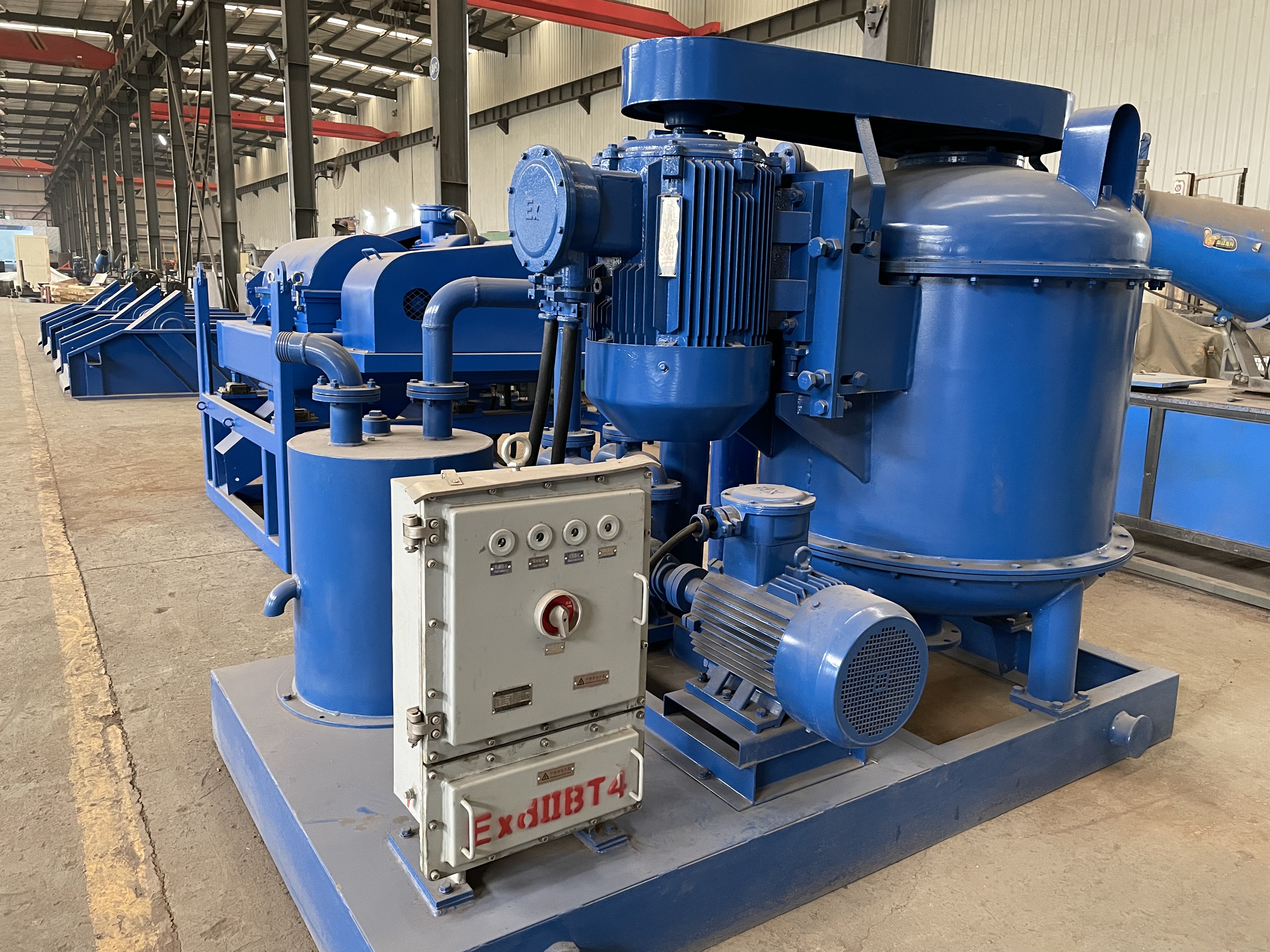
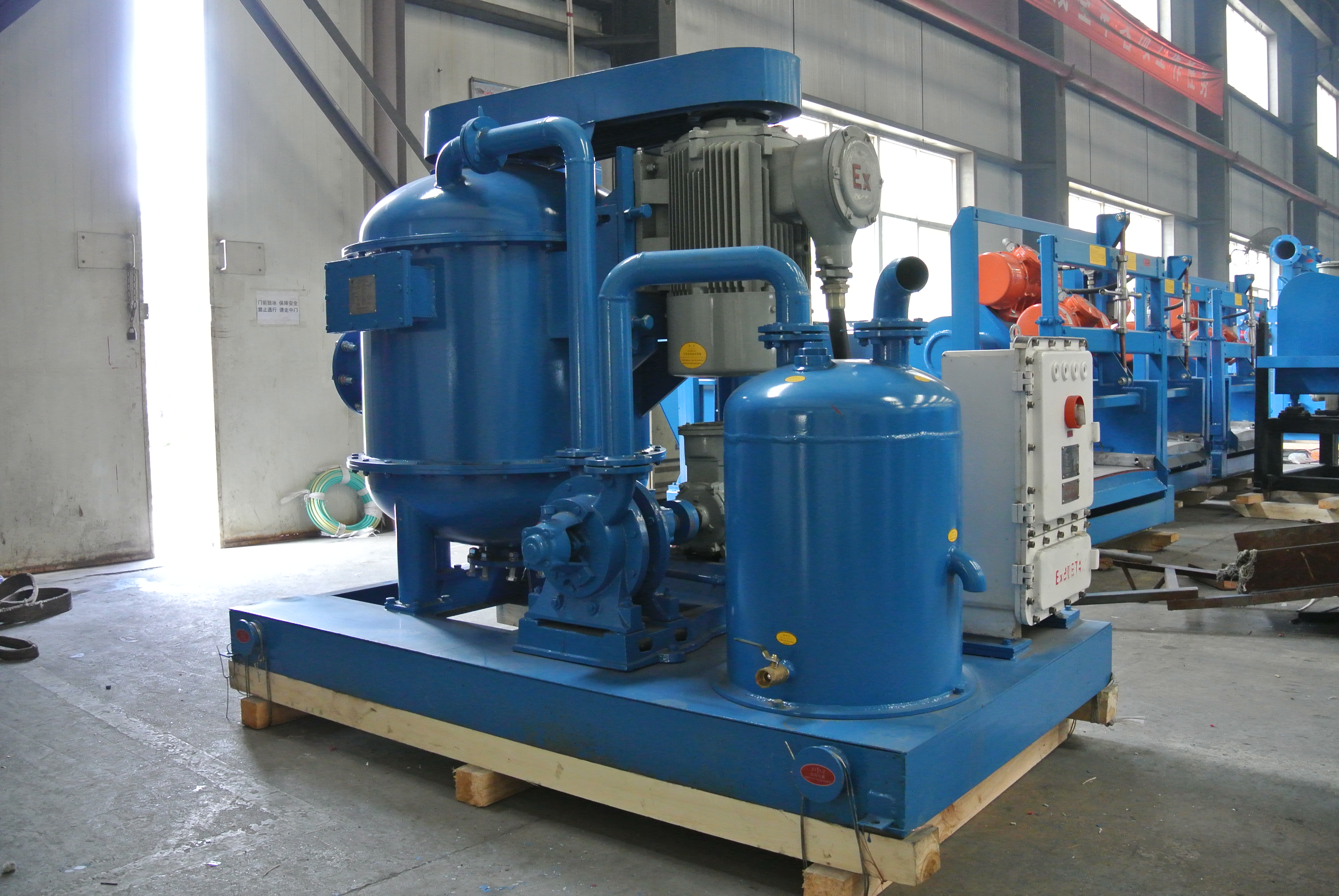
    A Vacuum Degasser is a critical piece of equipment in industries requiring efficient solid-liquid separation, particularly in oilfield drilling, wastewater treatment, and industrial sludge processing. By removing dissolved gases (such as methane, hydrogen sulfide, and air) from drilling fluids, slurries, and industrial liquids, vacuum degassers enhance operational safety, improve fluid performance, and prevent equipment corrosion.


    KOSUN specializes in high-performance vacuum degassing systems, integrating advanced engineering with eco-friendly solutions for global clients.


    How Does a Vacuum Degasser Work?

    Vacuum degassers operate on the principle of pressure reduction, creating a low-pressure environment where dissolved gases are extracted from liquids.

    The process involves:

    1. Suction & Intake – Contaminated fluid enters the degasser under vacuum pressure.

    2. Gas Separation – Reduced pressure causes dissolved gases to expand and escape.

    3. Liquid Purification – Cleaned fluid is discharged for reuse, while extracted gases are safely vented or processed.

    This technology is vital in oil & gas drilling, where gas-cut mud can lead to well control issues, pump inefficiency, and safety hazards.


    Key Applications of Vacuum Degassers

    1. Oilfield & Drilling Operations

    • Removes dangerous gases (H₂S, CH₄) from drilling mud

    • Maintains mud weight stability, preventing blowouts

    • Enhances drilling fluid recyclability, reducing costs
       

    2. Industrial Wastewater Treatment

    • Eliminates volatile organic compounds (VOCs) from wastewater

    • Prevents foaming and cavitation in pumps and pipelines

    • Improves effluent quality for environmental compliance
       

    3. Geothermal & HDD (Horizontal Directional Drilling)

    • Ensures clean drilling fluid for extended equipment life

    • Reduces corrosion and oxidation in drilling systems
       

    4. Sludge & Slurry Processing

    • Optimizes dewatering efficiency in industrial separation

    • Minimizes odor and gas-related hazards

    •  
  • Essential Technology for Efficient Solid-Liquid Separation

    A Vacuum Degasser is a critical piece of equipment in industries requiring efficient solid-liquid separation, particularly in oilfield drilling, wastewater treatment, and industrial sludge processing. By removing dissolved gases (such as methane, hydrogen sulfide, and air) from drilling fluids, slurries, and industrial liquids, vacuum degassers enhance operational safety, improve fluid performance, and prevent equipment corrosion.


    KOSUN specializes in high-performance vacuum degassing systems, integrating advanced engineering with eco-friendly solutions for global clients.


    How Does a Vacuum Degasser Work?

    Vacuum degassers operate on the principle of pressure reduction, creating a low-pressure environment where dissolved gases are extracted from liquids.

    The process involves:

    1. Suction & Intake – Contaminated fluid enters the degasser under vacuum pressure.

    2. Gas Separation – Reduced pressure causes dissolved gases to expand and escape.

    3. Liquid Purification – Cleaned fluid is discharged for reuse, while extracted gases are safely vented or processed.

    This technology is vital in oil & gas drilling, where gas-cut mud can lead to well control issues, pump inefficiency, and safety hazards.


    Key Applications of Vacuum Degassers

    1. Oilfield & Drilling Operations

    • Removes dangerous gases (H₂S, CH₄) from drilling mud

    • Maintains mud weight stability, preventing blowouts

    • Enhances drilling fluid recyclability, reducing costs
       

    2. Industrial Wastewater Treatment

    • Eliminates volatile organic compounds (VOCs) from wastewater

    • Prevents foaming and cavitation in pumps and pipelines

    • Improves effluent quality for environmental compliance
       

    3. Geothermal & HDD (Horizontal Directional Drilling)

    • Ensures clean drilling fluid for extended equipment life

    • Reduces corrosion and oxidation in drilling systems
       

    4. Sludge & Slurry Processing

    • Optimizes dewatering efficiency in industrial separation

    • Minimizes odor and gas-related hazards

    •  
  • Essential Technology for Efficient Solid-Liquid Separation

    A Vacuum Degasser is a critical piece of equipment in industries requiring efficient solid-liquid separation, particularly in oilfield drilling, wastewater treatment, and industrial sludge processing. By removing dissolved gases (such as methane, hydrogen sulfide, and air) from drilling fluids, slurries, and industrial liquids, vacuum degassers enhance operational safety, improve fluid performance, and prevent equipment corrosion.


    KOSUN specializes in high-performance vacuum degassing systems, integrating advanced engineering with eco-friendly solutions for global clients.


    How Does a Vacuum Degasser Work?

    Vacuum degassers operate on the principle of pressure reduction, creating a low-pressure environment where dissolved gases are extracted from liquids.

    The process involves:

    1. Suction & Intake – Contaminated fluid enters the degasser under vacuum pressure.

    2. Gas Separation – Reduced pressure causes dissolved gases to expand and escape.

    3. Liquid Purification – Cleaned fluid is discharged for reuse, while extracted gases are safely vented or processed.

    This technology is vital in oil & gas drilling, where gas-cut mud can lead to well control issues, pump inefficiency, and safety hazards.


    Key Applications of Vacuum Degassers

    1. Oilfield & Drilling Operations

    • Removes dangerous gases (H₂S, CH₄) from drilling mud

    • Maintains mud weight stability, preventing blowouts

    • Enhances drilling fluid recyclability, reducing costs
       

    2. Industrial Wastewater Treatment

    • Eliminates volatile organic compounds (VOCs) from wastewater

    • Prevents foaming and cavitation in pumps and pipelines

    • Improves effluent quality for environmental compliance
       

    3. Geothermal & HDD (Horizontal Directional Drilling)

    • Ensures clean drilling fluid for extended equipment life

    • Reduces corrosion and oxidation in drilling systems
       

    4. Sludge & Slurry Processing

    • Optimizes dewatering efficiency in industrial separation

    • Minimizes odor and gas-related hazards

    •