分类: Industry Update

KOSUN exclusively manufacture solids control system,drilling mud solids control equipment,Oilfiled Solids Control,oil and gas drilling waste managemen

  • Drilling waste treatment and purification system

    In the process of oil and gas drilling, water-based mud is generally used in shallow Wells and oil-based mud is used in deep Wells. Conventional solid control equipment can effectively recover heavy stone and useful drilling fluid items. If these solid phase parts containing heavy metals and compounds (about 12% to 18% oil content) are discharged without treatment, long-term precipitation will cause great harm to nearby vegetation, soil, groundwater and other natural environments and human living environment. With the continuous improvement of environmental protection requirements, high requirements are put forward for drilling site cuttings treatment. The emergence of drilling waste treatment and purification system can not only solve the site environmental problems, but also carry out secondary recycling and treatment of the waste generated by the on-site solid control system. While retaining useful mud, the drilling cuttings after reprocessing are centralized solidified. Reduce the damage to the surrounding environment.
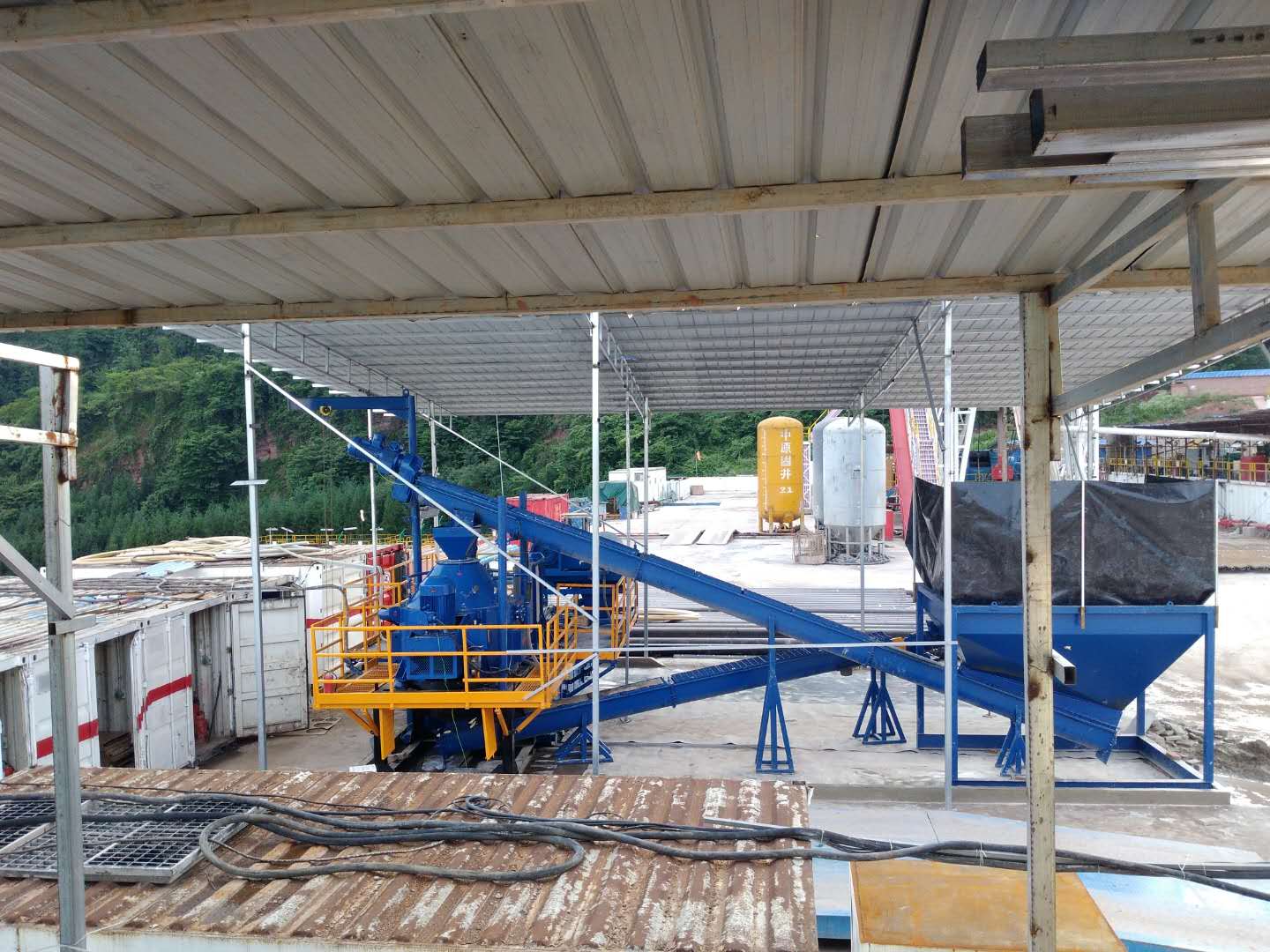
    Drilling waste treatment is to control the moisture content of drilling cuttings in drilling mud, stabilize the performance of the liquid phase, and achieve the purpose of dry treatment without landing, so that the liquid phase can meet the secondary reinjection utilization without damage. The environmental waste treatment system and the drilling mud non-landing treatment system can effectively realize the social value of the current environmental protection requirements and realize the economic value of the effective utilization of drilling fluid on the drilling site.
     
    Drilling waste treatment and purification system (mud non-landing system) usually includes dry vibrating screen, drilling chip drying machine, environmental protection centrifuge, screw conveyor, screw pump, etc. These mud non-landing equipment can be scientifically combined and configured according to the properties of the waste pulp separated from the solid control screen of the field drilling.

  • Mud/Gas Separator: Essential Equipment for Drilling Operations

    In the oil and gas drilling industry, efficient separation of drilling fluids (mud) and unwanted gases is crucial for operational safety and efficiency. A Mud/Gas Separator (MGS), also known as a poor boy degasser, plays a vital role in removing hazardous gases from drilling mud before further processing. This article explores how mud/gas separators work, their key components, benefits, and applications in drilling operations.

    What Is a Mud/Gas Separator?

    Mud/Gas Separator is a primary well control device designed to remove entrained gases (such as methane, hydrogen sulfide, or CO₂) from drilling mud. It is typically installed between the blowout preventer (BOP) and the mud gas separator (degasser) to ensure safe handling of gas kicks during drilling.
     

    Key Functions:

    • Separates gas from drilling mud to prevent equipment damage.

    • Reduces fire and explosion hazards.

    • Protects downstream equipment (e.g., shale shakers, centrifuges).

    • Ensures compliance with environmental and safety regulations.


    How Does a Mud/Gas Separator Work?

    The separator operates on gravity and centrifugal separation principles:

    1. Gas-Laden Mud Inlet: Contaminated mud enters the separator under pressure.

    2. Deflection Plate/Baffle System: Forces the mud to change direction, allowing gas bubbles to break out.

    3. Gas Venting: Liberated gas is safely vented through a flame arrestor or flare line.

    4. Degassed Mud Outlet: Cleaned mud exits the separator for further processing.

    Key Components:

    ✔ Inlet Line – Connects to the choke manifold.
    ✔ Deflection Plates – Enhance gas breakout.
    ✔ Vent Line – Safely directs gas away from the rig.
    ✔ Mud Outlet – Returns degassed mud to the pits.
    ✔ Pressure Relief Valve – Prevents over-pressurization.


    Benefits of Using a Mud/Gas Separator

    Enhanced Safety – Reduces explosion risks from trapped gas.
     Improved Drilling Efficiency – Prevents gas interference with mud pumps and shakers.
    Regulatory Compliance – Meets OSHA and API standards for well control.
    Cost Savings – Minimizes downtime and equipment damage.

    Applications in Drilling Operations

    • Onshore & Offshore Rigs – Critical for well control in gas-prone formations.

    • Underbalanced Drilling – Manages gas influx effectively.

    • Workover & Completion – Protects crews during well interventions.


    Maintenance & Best Practices

    • Regular Inspections – Check for corrosion, leaks, and valve functionality.

    • Proper Venting – Ensure gas is safely diverted away from ignition sources.

    • Training – Rig personnel should understand emergency procedures.


    Our company is a 30-year professional manufacturer of oil & gas drilling solids control equipment, drilling waste management equipment, mud zero-discharge equipment, environmental purification equipment, HDD and TBM slurry recycling system, etc.
    Let's connect, and we create big deals, on the basis of trust and broader benefits.
    Let’s revolutionize drilling together!

  • Solid Control System Centrifuge: The Ultimate Guide to Efficient Drilling Waste Management

    Why Your Drilling Operation Needs a Solid Control System Centrifuge

    In modern oil and gas drilling, managing drilling fluids and cuttings efficiently is crucial for:
    ✔ Cost Reduction – Saves up to 40% on mud recycling and disposal
    ✔ Environmental Compliance – Meets EPA, ISO 14001, and MARPOL standards
    ✔ Operational Efficiency – Maintains optimal mud properties for faster ROP (Rate of Penetration)

    solid control system centrifuge is the most advanced solution for removing 2-10 micron particles – the fines that traditional shale shakers and hydrocyclones can't capture.


    How a Solid Control Centrifuge Works

    3-Stage Separation Process

    1. Feed Inlet – Drilling fluid enters the rotating bowl (1,500-4,000 RPM)

    2. Centrifugal Force – Solids settle against the bowl wall (2,000-4,000 Gs)

    3. Dual Discharge – Dry solids ejected via scroll conveyor; clean fluid overflows

    Key Components:

    • Bowl: High-strength steel for durability

    • Scroll Conveyor: Continuous solids removal

    • Variable Frequency Drive (VFD): Adjusts speed for different mud types


    Top 5 Applications in Oil & Gas

    Application Benefit Recommended Model
    Weighted Mud Systems Recovers API-grade barite High-G centrifuge (≥3,000 Gs)
    Offshore Drilling Compact, marine-certified design Explosion-proof models
    Directional Wells Prevents stuck pipe by removing fines Variable-speed centrifuge
    Cuttings Processing Reduces OOC (Oil on Cuttings) to <1% 3-phase separation centrifuge
    Environmental Remediation Treats oil sludge for safe disposal High-capacity industrial centrifuge


    FAQs About Solid Control Centrifuges

    Q: How much drilling fluid can a centrifuge process?
    A: 50-300 GPM, depending on model and mud viscosity.

    Q: Can it handle high-density (>2.0 SG) mud?
    A: Yes, but requires specialized impellers and higher G-force.

    Q: What’s the ROI of adding a centrifuge?
    A: Most rigs see payback in <6 months via:

    • 30-50% lower fluid costs

    • 60% reduced disposal fees
       

    Why Choose Our Solid Control Centrifuges?

    ✅ Field-Proven – Operating in 50+ countries
    ✅ Custom Solutions – From desert to Arctic conditions
    ✅ 24/7 Support – With global spare parts network


  • Centrifuge for Oil Sludge Separation: Advanced Solution for Efficient Waste Treatment

    The Critical Role of Centrifuges in Oil Sludge Separation

    Oil sludge—a mixture of oil, water, and solids—is a major byproduct of petroleum refining, drilling operations, and tank cleaning. Traditional disposal methods are costly and environmentally hazardous. A centrifuge for oil sludge separation offers an efficient, cost-effective solution by:
    ✔ Recovering up to 95% of reusable oil
    ✔ Reducing waste volume by 70-90%
    ✔ Ensuring compliance with environmental regulations


    How a Centrifuge Separates Oil Sludge

    high-speed industrial centrifuge uses centrifugal force to split oil sludge into three layers:

    1. Recovered Oil (light phase) – Recycled back into production

    2. Water (middle phase) – Treated or discharged

    3. Solid Residue (heavy phase) – Safe disposal or further processing

    Key Components:

    • Rotating Bowl: Spins at 3,000-5,000 RPM for effective separation

    • Scroll Conveyor: Continuously discharges solids

    • Adjustable Weirs: Fine-tune separation efficiency


    Top Applications of Oil Sludge Centrifuges

    1. Oil Refineries & Storage Terminals

    • Clean tank bottom sludge

    • Recover valuable hydrocarbons

    2. Offshore & Onshore Drilling Rigs

    • Treat drilling cuttings and waste mud

    • Meet zero discharge requirements

    3. Environmental Remediation

    • Clean up oil spills and contaminated soil

    • Process hazardous waste safely

    4. Ship Bilge Water Treatment

    • Separate oil from marine wastewater

    • Comply with IMO & MARPOL standards


    FAQs About Oil Sludge Centrifuges

    Q: How much oil can I recover from tank bottom sludge?
    A: Typically 30-60% of sludge volume, depending on viscosity and age.

    Q: What maintenance does a sludge centrifuge need?
    A: Daily inspections, monthly bearing lubrication, and annual bowl refurbishment.

    Q: Can it handle emulsified oil?
    A: Yes, with pre-treatment chemicals or 3-phase separation models.


    Why Our Oil Sludge Centrifuges Stand Out

    ✅ Custom Designs for high-viscosity or abrasive sludge
    ✅ Mobile Units available for on-site treatment
    ✅ Global Service Network across Middle East & Asia


  • Centrifuge for Oil Sludge Separation: Advanced Solution for Efficient Waste Treatment

    The Critical Role of Centrifuges in Oil Sludge Separation

    Oil sludge—a mixture of oil, water, and solids—is a major byproduct of petroleum refining, drilling operations, and tank cleaning. Traditional disposal methods are costly and environmentally hazardous. A centrifuge for oil sludge separation offers an efficient, cost-effective solution by:
    ✔ Recovering up to 95% of reusable oil
    ✔ Reducing waste volume by 70-90%
    ✔ Ensuring compliance with environmental regulations


    How a Centrifuge Separates Oil Sludge

    high-speed industrial centrifuge uses centrifugal force to split oil sludge into three layers:

    1. Recovered Oil (light phase) – Recycled back into production

    2. Water (middle phase) – Treated or discharged

    3. Solid Residue (heavy phase) – Safe disposal or further processing

    Key Components:

    • Rotating Bowl: Spins at 3,000-5,000 RPM for effective separation

    • Scroll Conveyor: Continuously discharges solids

    • Adjustable Weirs: Fine-tune separation efficiency


    Top Applications of Oil Sludge Centrifuges

    1. Oil Refineries & Storage Terminals

    • Clean tank bottom sludge

    • Recover valuable hydrocarbons

    2. Offshore & Onshore Drilling Rigs

    • Treat drilling cuttings and waste mud

    • Meet zero discharge requirements

    3. Environmental Remediation

    • Clean up oil spills and contaminated soil

    • Process hazardous waste safely

    4. Ship Bilge Water Treatment

    • Separate oil from marine wastewater

    • Comply with IMO & MARPOL standards


    FAQs About Oil Sludge Centrifuges

    Q: How much oil can I recover from tank bottom sludge?
    A: Typically 30-60% of sludge volume, depending on viscosity and age.

    Q: What maintenance does a sludge centrifuge need?
    A: Daily inspections, monthly bearing lubrication, and annual bowl refurbishment.

    Q: Can it handle emulsified oil?
    A: Yes, with pre-treatment chemicals or 3-phase separation models.


    Why Our Oil Sludge Centrifuges Stand Out

    ✅ Custom Designs for high-viscosity or abrasive sludge
    ✅ Mobile Units available for on-site treatment
    ✅ Global Service Network across Middle East & Asia


  • Centrifuge for Oil Sludge Separation: Advanced Solution for Efficient Waste Treatment

    The Critical Role of Centrifuges in Oil Sludge Separation

    Oil sludge—a mixture of oil, water, and solids—is a major byproduct of petroleum refining, drilling operations, and tank cleaning. Traditional disposal methods are costly and environmentally hazardous. A centrifuge for oil sludge separation offers an efficient, cost-effective solution by:
    ✔ Recovering up to 95% of reusable oil
    ✔ Reducing waste volume by 70-90%
    ✔ Ensuring compliance with environmental regulations


    How a Centrifuge Separates Oil Sludge

    high-speed industrial centrifuge uses centrifugal force to split oil sludge into three layers:

    1. Recovered Oil (light phase) – Recycled back into production

    2. Water (middle phase) – Treated or discharged

    3. Solid Residue (heavy phase) – Safe disposal or further processing

    Key Components:

    • Rotating Bowl: Spins at 3,000-5,000 RPM for effective separation

    • Scroll Conveyor: Continuously discharges solids

    • Adjustable Weirs: Fine-tune separation efficiency


    Top Applications of Oil Sludge Centrifuges

    1. Oil Refineries & Storage Terminals

    • Clean tank bottom sludge

    • Recover valuable hydrocarbons

    2. Offshore & Onshore Drilling Rigs

    • Treat drilling cuttings and waste mud

    • Meet zero discharge requirements

    3. Environmental Remediation

    • Clean up oil spills and contaminated soil

    • Process hazardous waste safely

    4. Ship Bilge Water Treatment

    • Separate oil from marine wastewater

    • Comply with IMO & MARPOL standards


    FAQs About Oil Sludge Centrifuges

    Q: How much oil can I recover from tank bottom sludge?
    A: Typically 30-60% of sludge volume, depending on viscosity and age.

    Q: What maintenance does a sludge centrifuge need?
    A: Daily inspections, monthly bearing lubrication, and annual bowl refurbishment.

    Q: Can it handle emulsified oil?
    A: Yes, with pre-treatment chemicals or 3-phase separation models.


    Why Our Oil Sludge Centrifuges Stand Out

    ✅ Custom Designs for high-viscosity or abrasive sludge
    ✅ Mobile Units available for on-site treatment
    ✅ Global Service Network across Middle East & Asia


  • Centrifuge for Oil Sludge Separation: Advanced Solution for Efficient Waste Treatment

    The Critical Role of Centrifuges in Oil Sludge Separation

    Oil sludge—a mixture of oil, water, and solids—is a major byproduct of petroleum refining, drilling operations, and tank cleaning. Traditional disposal methods are costly and environmentally hazardous. A centrifuge for oil sludge separation offers an efficient, cost-effective solution by:
    ✔ Recovering up to 95% of reusable oil
    ✔ Reducing waste volume by 70-90%
    ✔ Ensuring compliance with environmental regulations


    How a Centrifuge Separates Oil Sludge

    high-speed industrial centrifuge uses centrifugal force to split oil sludge into three layers:

    1. Recovered Oil (light phase) – Recycled back into production

    2. Water (middle phase) – Treated or discharged

    3. Solid Residue (heavy phase) – Safe disposal or further processing

    Key Components:

    • Rotating Bowl: Spins at 3,000-5,000 RPM for effective separation

    • Scroll Conveyor: Continuously discharges solids

    • Adjustable Weirs: Fine-tune separation efficiency


    Top Applications of Oil Sludge Centrifuges

    1. Oil Refineries & Storage Terminals

    • Clean tank bottom sludge

    • Recover valuable hydrocarbons

    2. Offshore & Onshore Drilling Rigs

    • Treat drilling cuttings and waste mud

    • Meet zero discharge requirements

    3. Environmental Remediation

    • Clean up oil spills and contaminated soil

    • Process hazardous waste safely

    4. Ship Bilge Water Treatment

    • Separate oil from marine wastewater

    • Comply with IMO & MARPOL standards


    FAQs About Oil Sludge Centrifuges

    Q: How much oil can I recover from tank bottom sludge?
    A: Typically 30-60% of sludge volume, depending on viscosity and age.

    Q: What maintenance does a sludge centrifuge need?
    A: Daily inspections, monthly bearing lubrication, and annual bowl refurbishment.

    Q: Can it handle emulsified oil?
    A: Yes, with pre-treatment chemicals or 3-phase separation models.


    Why Our Oil Sludge Centrifuges Stand Out

    ✅ Custom Designs for high-viscosity or abrasive sludge
    ✅ Mobile Units available for on-site treatment
    ✅ Global Service Network across Middle East & Asia


  • Centrifuge for Oil Sludge Separation: Advanced Solution for Efficient Waste Treatment

    The Critical Role of Centrifuges in Oil Sludge Separation

    Oil sludge—a mixture of oil, water, and solids—is a major byproduct of petroleum refining, drilling operations, and tank cleaning. Traditional disposal methods are costly and environmentally hazardous. A centrifuge for oil sludge separation offers an efficient, cost-effective solution by:
    ✔ Recovering up to 95% of reusable oil
    ✔ Reducing waste volume by 70-90%
    ✔ Ensuring compliance with environmental regulations


    How a Centrifuge Separates Oil Sludge

    high-speed industrial centrifuge uses centrifugal force to split oil sludge into three layers:

    1. Recovered Oil (light phase) – Recycled back into production

    2. Water (middle phase) – Treated or discharged

    3. Solid Residue (heavy phase) – Safe disposal or further processing

    Key Components:

    • Rotating Bowl: Spins at 3,000-5,000 RPM for effective separation

    • Scroll Conveyor: Continuously discharges solids

    • Adjustable Weirs: Fine-tune separation efficiency


    Top Applications of Oil Sludge Centrifuges

    1. Oil Refineries & Storage Terminals

    • Clean tank bottom sludge

    • Recover valuable hydrocarbons

    2. Offshore & Onshore Drilling Rigs

    • Treat drilling cuttings and waste mud

    • Meet zero discharge requirements

    3. Environmental Remediation

    • Clean up oil spills and contaminated soil

    • Process hazardous waste safely

    4. Ship Bilge Water Treatment

    • Separate oil from marine wastewater

    • Comply with IMO & MARPOL standards


    FAQs About Oil Sludge Centrifuges

    Q: How much oil can I recover from tank bottom sludge?
    A: Typically 30-60% of sludge volume, depending on viscosity and age.

    Q: What maintenance does a sludge centrifuge need?
    A: Daily inspections, monthly bearing lubrication, and annual bowl refurbishment.

    Q: Can it handle emulsified oil?
    A: Yes, with pre-treatment chemicals or 3-phase separation models.


    Why Our Oil Sludge Centrifuges Stand Out

    ✅ Custom Designs for high-viscosity or abrasive sludge
    ✅ Mobile Units available for on-site treatment
    ✅ Global Service Network across Middle East & Asia


  • Centrifuge for Oil Sludge Separation: Advanced Solution for Efficient Waste Treatment

    The Critical Role of Centrifuges in Oil Sludge Separation

    Oil sludge—a mixture of oil, water, and solids—is a major byproduct of petroleum refining, drilling operations, and tank cleaning. Traditional disposal methods are costly and environmentally hazardous. A centrifuge for oil sludge separation offers an efficient, cost-effective solution by:
    ✔ Recovering up to 95% of reusable oil
    ✔ Reducing waste volume by 70-90%
    ✔ Ensuring compliance with environmental regulations


    How a Centrifuge Separates Oil Sludge

    high-speed industrial centrifuge uses centrifugal force to split oil sludge into three layers:

    1. Recovered Oil (light phase) – Recycled back into production

    2. Water (middle phase) – Treated or discharged

    3. Solid Residue (heavy phase) – Safe disposal or further processing

    Key Components:

    • Rotating Bowl: Spins at 3,000-5,000 RPM for effective separation

    • Scroll Conveyor: Continuously discharges solids

    • Adjustable Weirs: Fine-tune separation efficiency


    Top Applications of Oil Sludge Centrifuges

    1. Oil Refineries & Storage Terminals

    • Clean tank bottom sludge

    • Recover valuable hydrocarbons

    2. Offshore & Onshore Drilling Rigs

    • Treat drilling cuttings and waste mud

    • Meet zero discharge requirements

    3. Environmental Remediation

    • Clean up oil spills and contaminated soil

    • Process hazardous waste safely

    4. Ship Bilge Water Treatment

    • Separate oil from marine wastewater

    • Comply with IMO & MARPOL standards


    FAQs About Oil Sludge Centrifuges

    Q: How much oil can I recover from tank bottom sludge?
    A: Typically 30-60% of sludge volume, depending on viscosity and age.

    Q: What maintenance does a sludge centrifuge need?
    A: Daily inspections, monthly bearing lubrication, and annual bowl refurbishment.

    Q: Can it handle emulsified oil?
    A: Yes, with pre-treatment chemicals or 3-phase separation models.


    Why Our Oil Sludge Centrifuges Stand Out

    ✅ Custom Designs for high-viscosity or abrasive sludge
    ✅ Mobile Units available for on-site treatment
    ✅ Global Service Network across Middle East & Asia


  • Centrifuge for Oil Sludge Separation: Advanced Solution for Efficient Waste Treatment

    The Critical Role of Centrifuges in Oil Sludge Separation

    Oil sludge—a mixture of oil, water, and solids—is a major byproduct of petroleum refining, drilling operations, and tank cleaning. Traditional disposal methods are costly and environmentally hazardous. A centrifuge for oil sludge separation offers an efficient, cost-effective solution by:
    ✔ Recovering up to 95% of reusable oil
    ✔ Reducing waste volume by 70-90%
    ✔ Ensuring compliance with environmental regulations


    How a Centrifuge Separates Oil Sludge

    high-speed industrial centrifuge uses centrifugal force to split oil sludge into three layers:

    1. Recovered Oil (light phase) – Recycled back into production

    2. Water (middle phase) – Treated or discharged

    3. Solid Residue (heavy phase) – Safe disposal or further processing

    Key Components:

    • Rotating Bowl: Spins at 3,000-5,000 RPM for effective separation

    • Scroll Conveyor: Continuously discharges solids

    • Adjustable Weirs: Fine-tune separation efficiency


    Top Applications of Oil Sludge Centrifuges

    1. Oil Refineries & Storage Terminals

    • Clean tank bottom sludge

    • Recover valuable hydrocarbons

    2. Offshore & Onshore Drilling Rigs

    • Treat drilling cuttings and waste mud

    • Meet zero discharge requirements

    3. Environmental Remediation

    • Clean up oil spills and contaminated soil

    • Process hazardous waste safely

    4. Ship Bilge Water Treatment

    • Separate oil from marine wastewater

    • Comply with IMO & MARPOL standards


    FAQs About Oil Sludge Centrifuges

    Q: How much oil can I recover from tank bottom sludge?
    A: Typically 30-60% of sludge volume, depending on viscosity and age.

    Q: What maintenance does a sludge centrifuge need?
    A: Daily inspections, monthly bearing lubrication, and annual bowl refurbishment.

    Q: Can it handle emulsified oil?
    A: Yes, with pre-treatment chemicals or 3-phase separation models.


    Why Our Oil Sludge Centrifuges Stand Out

    ✅ Custom Designs for high-viscosity or abrasive sludge
    ✅ Mobile Units available for on-site treatment
    ✅ Global Service Network across Middle East & Asia