分类: Industry Update

KOSUN exclusively manufacture solids control system,drilling mud solids control equipment,Oilfiled Solids Control,oil and gas drilling waste managemen

  • Degasser vs. Mud-Gas Separator: Conditioning vs. Well Control

    A degasser and a mud-gas separator both remove gas from drilling mud, but they do two different jobs. A degasser is a mud-conditioning tool: it strips the small amounts of entrained gas out of the active system to protect mud weight and the cyclone feed. A mud-gas separator is a well-control device: it handles the large volumes of free gas liberated when an influx is circulated out through the choke. Same input — gas in mud — but a different scale, a different position in the circuit, and a different reason for being there. Understanding this distinction is essential for safe and efficient drilling operations.
     
    The Degasser: A Mud-Conditioning Tool

    The degasser lives in the active surface system, plumbed after the shakers and sand trap but before the cyclone feed pump. Its job is to remove finely dispersed, entrained gas — the few percent that gets whipped into the mud and quietly lowers its effective weight. It matters to solids control for a reason that has nothing to do with well control: a centrifugal pump cannot build proper head on gas-cut mud. Aerated fluid compresses, the feed pump loses head, the desanders and desilters fall below their design head, and the cones stop cutting.

    The degasser runs as routine conditioning whenever returns are gas-cut. It comes in atmospheric types — where mud is cascaded thin over baffles so gas breaks out to atmosphere — and vacuum or centrifugal types. Volume tells them apart: a degasser is built for small percentages of entrained gas. Hand it the free gas of a real influx, and it is overwhelmed — that is the separator's job. KOSUN offers a full range of degassers designed for reliable routine conditioning in all drilling environments.


    The Mud-Gas Separator: A Well-Control Device

    The mud-gas separator — also called a gas buster or, loosely, a "poor-boy degasser" — sits in the well-control circuit, downstream of the choke manifold. When a kick is circulated out, the gas-cut mud coming up the annulus carries large slugs of free gas. The MGS is a tall, baffled vessel: it slows the flow, lets the big volumes of gas break out of the mud, and routes that gas away through a vent or flare line while the degassed mud drops to the shakers and back to the pits. It is sized for the gas-handling event, not for routine conditioning, and its purpose is to keep free gas off the rig floor during the most dangerous part of a well-control operation.

    KOSUN's mud-gas separators are engineered to handle high gas loads safely and reliably, meeting the most stringent well-control requirements.


    How They Work Together During a Kick

    They are not rivals — they run in sequence. The mud-gas separator takes the first, hardest hit: it strips the bulk free gas off the returns coming through the choke and sends it to the flare. What reaches the shakers afterward is still gas-cut at the entrained level, so the degasser then does the fine work — pulling the residual dispersed gas out before the mud is handed to the cyclone feed pump. Skip the MGS, and you overwhelm the degasser and put free gas on the floor; skip the degasser, and you starve the cyclones even after the separator has done its part.

    This sequential approach ensures that both devices perform their intended functions without being overloaded. KOSUN provides integrated solutions that ensure seamless coordination between degassers and mud-gas separators in the overall solids control system.


    The Naming Trap

    Much of the confusion is in the names. A "poor-boy degasser" or "gas buster" is not a degasser — it is a mud-gas separator. The true degasser is the conditioning unit in the solids-control area. When a vendor drawing or a daily report blurs the two, ask one question to settle it: is this device handling entrained gas as routine conditioning, or free gas during a well-control event? The answer names the machine.
     
    Key Takeaways

    One handles routine, the other handles emergencies. The degasser protects your mud weight and your cyclone feed head from a few percent of entrained gas, every day the returns are cut. The mud-gas separator protects the rig from the large free-gas volumes of an influx on the days you need it most. They sit in different parts of the circuit, they are sized for different gas loads, and they work in sequence — separator first, degasser second — when both are in play.
     
    KOSUN offers both degassers and mud-gas separators, backed by decades of experience and a commitment to safety and performance. Contact KOSUN today to learn more about selecting the right gas removal equipment for your drilling operation.

  • Dewatering vs. Clarification: Key Differences in Solid-Liquid Separation

    One of the first questions KOSUN's separation experts ask prospective clients is surprisingly simple: "What are you trying to accomplish?" Many people answer by listing the equipment they think they need: a decanter centrifuge, a screw press, a shaker, or a filter press. However, equipment selection should come after defining the objective, not before. In most cases, the goal falls into one of two categories: dewatering or clarification.


    Dewatering: Maximizing Solids Dryness

    Dewatering focuses on producing the driest possible solids while reducing disposal volume and hauling costs. Municipal sludge, mining tailings, and industrial waste streams are common examples where maximizing cake dryness is the priority. In these applications, the goal is to minimize the liquid content of the discharged solids, thereby reducing transportation and disposal expenses.

    A centrifuge configured for maximum cake dryness may sacrifice some liquid clarity. However, for many operators, the cost savings from reduced waste volume far outweigh the value of slightly cleaner liquid. KOSUN's decanter centrifuges are engineered to achieve high solids dryness while maintaining operational efficiency, helping customers significantly lower their waste disposal costs.
     
    Clarification: Producing Cleaner Liquid

    Clarification, on the other hand, is centered on producing a cleaner liquid. The objective is to remove suspended solids so the recovered water can be reused, discharged, or sent to the next stage of the process. In these applications, the quality of the liquid phase often matters more than the moisture content of the discharged solids.

    Tuning a machine for exceptional centrate quality can result in wetter discharged solids. However, when liquid clarity is the primary goal, such as in wastewater treatment or water recycling, this trade-off is often acceptable. KOSUN offers customized separation solutions that prioritize liquid clarity for industries where water quality is the critical success factor.
     
    Finding the Right Balance

    The important point is that optimizing one objective does not always optimize the other. Variables such as differential speed, pond depth, feed rate, polymer dosage, and bowl speed all influence where that balance is achieved. This is why equipment specifications alone rarely tell the whole story. Two centrifuges with similar bowl dimensions can produce very different results depending on how they are configured and what material they are processing.

    Before recommending equipment, KOSUN's technical team typically asks about the slurry characteristics, solids concentration, particle size distribution, flow rate, and desired outcome. Those answers are often more valuable than the equipment model the customer initially requested. With over 30 years of experience in solids control, KOSUN helps clients define their process objectives and select the right equipment for their specific needs.
     
    How KOSUN Helps You Achieve Your Separation Goals

    At KOSUN, we understand that every application is unique. Whether your priority is dewatering for waste reduction or clarification for water recovery, our team works closely with you to define the process objective and recommend the optimal solution.

    Our expertise includes:

    Comprehensive slurry analysis to understand material characteristics

    Customized equipment selection tailored to your specific goals

    On-site commissioning and training to ensure optimal performance

    Ongoing technical support to maintain long-term efficiency

    By defining the process objective first, KOSUN helps customers achieve better equipment selection, lower operating costs, and a separation system that performs as intended from day one.
     
    Conclusion

    Defining the process objective first leads to better equipment selection, lower operating costs, and a separation system that performs as intended from day one. The best equipment is not the one that produces the highest specifications on paper; it is the one that achieves the process objective most efficiently. KOSUN is committed to helping customers find that balance, delivering reliable, high-performance separation solutions for dewatering, clarification, and everything in between.

  • Decanter Centrifuge for Sludge Dewatering: Why Choose KOSUN Solutions

    Why Choose a Decanter Centrifuge for Sludge Dewatering Applications

    A decanter centrifuge for sludge dewatering is widely used in industries such as wastewater treatment plants and oil refineries. It separates solid and liquid components from a mixture based on density differences.

    The decanter centrifuge works by rotating the mixture at high speeds, causing heavier solids to settle while lighter liquid exits through a separate outlet. This produces drier, more concentrated sludge and reduces waste disposal volume. This article explains why a decanter centrifuge for sludge dewatering from KOSUN is an excellent choice for various applications.
     
    Advantages of KOSUN Decanter Centrifuges

    A KOSUN decanter centrifuge for sludge dewatering offers several advantages over traditional methods like belt filter presses and plate and frame filter presses.

    First, KOSUN decanter centrifuges provide higher processing capacity, allowing them to handle larger sludge volumes in less time. This benefits industries with high production rates and significant waste output.

    Second, they have a smaller footprint than many other dewatering methods, making them easier to install in existing facilities.

    Finally, KOSUN decanter centrifuges require minimal operator involvement and maintenance, reducing labor and operational costs.

    Why Choose KOSUN Decanter Centrifuges for Sludge Dewatering

    KOSUN decanter centrifuges provide reliable performance and several key benefits.

    They feature a high level of automation, allowing continuous operation without constant monitoring. This reduces labor costs and ensures consistent results.

    They can also handle various sludge types, including high-solids, oily, and greasy materials, making them suitable for multiple industries.

    Additionally, KOSUN centrifuges produce drier sludge cakes than many alternative methods, reducing the need for additional treatment and improving overall efficiency.

    Their environmentally friendly design generates less waste and supports a smaller carbon footprint compared with other dewatering solutions.


    Can KOSUN Decanter Centrifuges Be Customized for Specific Applications?

    Yes. KOSUN decanter centrifuges can be customized according to application requirements. The centrifuge size, design, and construction materials can be adjusted to handle different sludge types and processing volumes.

    KOSUN also provides optional features such as variable speed control and automated feed systems to improve performance. Working with KOSUN’s engineering team ensures the centrifuge meets specific operational needs.
     
    Should You Choose a KOSUN Decanter Centrifuge for Your Sludge Dewatering Needs?

    A KOSUN decanter centrifuge for sludge dewatering is a reliable and efficient solution for many industries. Its high capacity, compact design, low maintenance requirements, and flexibility make it a strong choice.

    Before selecting a system, evaluate your application needs and consult KOSUN’s experienced team to customize the centrifuge for optimal performance.

    With growing environmental regulations, KOSUN decanter centrifuges also provide a sustainable option by reducing waste and lowering carbon emissions.
     
    Tips for Maintaining and Extending the Lifespan of KOSUN Decanter Centrifuges

    To maintain performance and extend service life, follow these maintenance practices:

     – Regularly inspect and replace worn components such as bearings, seals, and gaskets.

     – Keep the centrifuge clean and prevent debris buildup.

     – Monitor operating speed and feed rate to maintain efficiency.

     – Follow proper procedures and avoid overloading the machine.

     – Schedule routine inspections and servicing with KOSUN technicians.

    Following these steps helps ensure efficient operation, longer equipment life, and reduced long-term costs.

  • How Vacuum Technology Removes Gas from Drilling Mud

    In modern drilling operations, maintaining fluid integrity is paramount to both safety and efficiency. When drilling through formations containing high-pressure gas, tiny bubbles become entrained within the drilling fluid. If these bubbles are not removed, they reduce the hydrostatic pressure of the mud column, potentially leading to a well control incident or "kick." This is where vacuum technology comes into play, a critical solution for removing gas from drilling mud and restoring fluid density.


    The Physics Behind Vacuum Gas Removal

    To truly understand how vacuum technology removes gas from drilling mud, one must look at the physics of gas-cut mud. According to Henry's Law, the solubility of a gas in a liquid is directly proportional to the partial pressure of that gas above the liquid. By significantly dropping the internal pressure of a sealed vessel, vacuum technology causes entrained gas bubbles to expand rapidly and break away from the viscous mud.

    Unlike atmospheric degassers, which rely solely on surface area and agitation, the vacuum-style unit utilizes a specialized pressure differential to force gas separation. Inside the vessel, a vacuum pump creates a sustained low-pressure environment. This transition is essential for maintaining the precise rheology required to stabilize the wellbore walls and carry cuttings to the surface effectively.
     
    Mechanical Agitation and Thin-Film Separation

    A deeper dive into vacuum gas removal reveals the importance of surface area. Most modern units do not simply pull a vacuum on a stagnant pool of mud. Instead, the fluid is introduced into the vacuum chamber and dispersed over a series of internal plates or "leaves." This creates a thin film of mud, maximizing the surface area exposed to the low-pressure environment.

    As the mud cascades over these internal structures, the distance a gas bubble must travel to reach the surface is minimized. This mechanical agitation, combined with the vacuum-induced expansion of the bubbles, ensures that even the most stubborn micro-bubbles are liberated. The separated gas is then safely vented away from the rig floor, often through a flare line, while the deaerated mud collects at the bottom of the tank for discharge.
     
    Integration into the Solids Control System

    Positioning vacuum equipment in drilling rig layouts requires a strategic understanding of the fluid flow path. Typically, the degasser is situated immediately after the shale shakers but before the desanders and desilters. This placement is intentional; the shakers remove large organic and inorganic solids, but they cannot address the gas trapped within the liquid phase.

    By processing the mud at this stage, vacuum technology ensures that subsequent centrifugal equipment, like hydrocyclones, operates at maximum efficiency. Air or gas pockets in the mud can cause cavitation in centrifugal pumps and reduce the separation accuracy of desilters, making the vacuum degasser an indispensable gatekeeper within the broader solids control system.
     
    Maintaining Efficiency and Operational Longevity

    To maintain the efficacy of vacuum gas removal in drilling rig operations, rigorous maintenance schedules are non-negotiable. Because the environment involves abrasive solids and potentially corrosive gases, the internal components, such as the vacuum pump, internal coating of the vessel, and float valves, are subject to significant wear.

    If the vacuum seal is compromised, gas remains in the mud, leading to increased wear on mud pump liners and valves. Therefore, operators must ensure suction lines remain clear of debris and that vacuum levels are monitored constantly to match specific gas-cut conditions.
     
    Conclusion

    Vacuum technology is essential for removing gas from drilling mud, restoring density, preventing pump cavitation, and protecting downstream equipment. By applying controlled pressure differentials and maximizing surface area through thin-film separation, this technology ensures safe and efficient drilling operations. Whether in onshore or offshore applications, vacuum gas removal remains a critical component of any modern solids control system.

  • A Centrifuge Can Separate Liquids From Solids—But Can It Purify Water?

    What Does a Centrifuge Do?

    A centrifuge is a machine that uses centrifugal force at high speeds to separate different components based on their densities. It separates solids and liquids quickly and efficiently, making it a valuable device for industries involved in food processing, biotechnology, pharmaceuticals, oil production, and many other sectors. The oil and gas industries, in particular, benefit significantly from the centrifugation process.


    Is It Possible to Purify Water with a Centrifuge?

    Yes, it is possible to purify water using a centrifuge! The centrifuge separates impurities such as dirt, sediment, and microorganisms from the water during water purification in a process known as centrifugal clarification. Purification removes contaminants that could interfere with machinery operations or, on evaporation, leave residues on equipment.
     
    How Is Purified Water Used?

    Purified water has many industrial applications, including autoclaves, surgical handpieces, laboratory testing, laser cutting, and electronics.

    In the power generation industry, purified water serves as a coolant for power plant boilers and turbines. The water transfers heat and removes it from the system, helping to maintain equipment efficiency and prevent damage. The electronics industry also utilizes purified water, particularly in semiconductor fabrication, where it rinses silicon wafers and removes particles and impurities that can cause defects in the final product.
     
    How Clean Is the Water from a Centrifuge?

    The cleanliness and purity of the water depend on several factors, such as the type of centrifuge being used, the size of its components, and the type of liquid being filtered. Additionally, any contamination during or after use can compromise the purity of the filtered water.

    Most modern centrifuges have built-in safety features designed to reduce these risks while providing clean water products with minimal effort. Furthermore, proper maintenance and frequent quality-control checks ensure that any contaminants are removed before purified water is released into production systems or distribution channels.
     
    Can a Centrifuge Act as a Filter?

    Yes, a centrifuge can be used as a filter in specific applications. In a centrifuge, a liquid mixture is placed in a container (called a rotor) that spins at high speeds. The centrifugal force generated by the spinning separates the mixture's components based on their densities, with heavier elements moving to the outer edge of the rotor and lighter components remaining closer to the center. By removing the elements at the outer edge, the centrifuge can effectively "filter" out the heavier components from the mixture. This process is commonly used in biotechnology, medical and chemical laboratories, and oil and gas production.
     
    Advantages of Using a Centrifuge in the Oil and Gas Industries

    Centrifuge is used in the oil and gas industries to separate different types of fluids and particles by exploiting the difference in density of their components. For example, a centrifuge is used in the oil industry to separate water and sediment from crude oil. Gas industries also use centrifuges to separate oil and water from produced water — water brought to the surface during oil and gas production, typically contaminated with oil and other impurities requiring treatment before disposal or reuse.

    The main advantages of using centrifuges in the oil and gas industry include:

     – Efficiency: Highly efficient in separating different fluids and particles, improving the overall production process.

     – Cost savings: Reduces costs by reducing the need for additional equipment or processes.

     – Environmental benefits: Reduces environmental impact by reducing waste. Centrifugal cleaning of industrial oil supports recycling — an estimated 380 million gallons of used oil are recycled each year.

     – Safety: Improves safety by reducing the need for manual handling of fluids and particles.

      Quality: Improves the quality of oil and gas produced by removing impurities and ensuring the final product meets industry standards.

    Conclusion

    Centrifuge is a vital tool for purifying large amounts of water. They offer an effective, efficient way to remove sediment and impurities from water so it can be used across many industries, including mining, oil and gas production, agriculture, research, and electronics. The value of this technology cannot be overstated; it is essential to the health and safety of our world.

  • Mud Agitator vs. Mud Gun: A Comprehensive Guide to Drilling Fluid Mixing

    Have you ever wondered why some drilling fluid systems perform flawlessly while others suffer from sediment buildup and poor mixing? The answer often lies in the strategic combination of two critical components: the mud agitator and the mud gun. Although they both work to keep solids suspended, they serve very different purposes. In this guide, we'll break down the unique functions of each and explain why using both is the industry standard for efficient solids control.
     
    1. The Mud Agitator: The Heart of Constant Suspension

    A mud agitator is a mechanical stirring device. It uses a motor-driven impeller to create a flow pattern within the drilling fluid tank, ensuring that solid particles remain suspended and do not settle at the bottom.

    Key Performance Metric: Cycle Time

    "Cycle time defines an agitator's efficiency as the speed at which the impeller circulates the total fluid volume through its designated tank section."

    Standard Cycle Time: Generally ranges between 30 and 90 seconds.

    Sand Settling Tanks: For tanks where devices like shale shakers are placed, a longer cycle time (closer to 90s ) is preferred to allow sand to settle.

    Storage and Suction Tanks: To ensure stable drilling fluid performance before it reaches the pump, a shorter cycle time (approximately 60 seconds ) is used as the industry standard.
     
    2. The Mud Gun: The Hydraulic Powerhouse

    Mud guns operate as hydraulic mixers rather than mechanical ones. By discharging high-speed liquid jets, they stir the mud in areas beyond the reach of mechanical impellers.

    Critical Functions of Mud Guns:

    Eliminating Dead Spots: Mud guns are strategically placed in tank corners where agitators may have limited reach, preventing "dead volume" and solid accumulation.

    Assisting Agitator Startup: If a system has been shut down for a period, solids can settle and bury the agitator impeller. A mud gun can be used to "blast" these solids away, reducing resistance torque and protecting the agitator motor during startup.

    High vs. Low Pressure: High-Pressure Mud Guns are supplied by drilling pumps (1–6 MPa ); Low-Pressure Mud Guns are supplied by centrifugal sand pumps (0.2–0.3 MPa ).

    Functional Comparison at a Glance

    The Verdict: Do You Need Both?

    Yes. While they may seem redundant, they are complementary. The mud agitator provides the consistent, low-shear mixing required to maintain fluid properties. Meanwhile, the mud gun provides the high-energy localized force needed to clear tank corners and assist in heavy-duty solids movement.

    Removing one often leads to increased maintenance costs, sediment buildup, and potential damage to your equipment. For a truly efficient solids control system, a strategic combination of both is the industry's best practice.
     
    Conclusion

    Mud agitators and mud guns are not competitors — they are partners. By understanding their distinct roles and deploying them strategically, operators achieve optimal drilling fluid homogeneity, reduced maintenance, and improved overall efficiency. Whether you are designing a new system or optimizing an existing one, investing in both ensures reliable performance and long-term cost savings.

  • Slurry Separation System: The Role of Slurry Separators in Mud and Sludge Separation

    In various industrial processes, the management of slurry, mud, and sludge has become a critical aspect of ensuring environmental compliance and operational efficiency. One key technology that has emerged to address these challenges is the slurry separation system, a versatile solution designed to optimize the separation of solids and liquids in different applications. This article explores the significance of slurry separators, their benefits, and how understanding slurry separator price and cost can contribute to overall operational savings.


    Understanding Slurry Separators

    Slurry separators are specialized equipment used in industries such as mining, agriculture, wastewater treatment, and more. These devices play a pivotal role in mud separation, sludge separation, and slurry separation processes. The primary function of a slurry separation system is to efficiently separate solid particles from liquid components, resulting in cleaner and more manageable waste streams.
     
    Benefits of Slurry Separators

    Slurry separators contribute to environmental sustainability by facilitating the effective separation of contaminants from liquid waste. This ensures that industries meet regulatory standards and reduce their environmental footprint.

    By efficiently separating slurry into its constituent parts, industries can recover valuable resources from the process. This not only minimizes waste but also allows for the reuse or proper disposal of recovered materials.

    Sludge separation equipment enhances the overall process efficiency of the mud system by preventing the clogging of pipes and equipment due to the accumulation of solids. This leads to reduced downtime and maintenance costs.
     
    Slurry Separator Cost and Price Considerations

    The cost of acquiring a slurry separation system depends on factors such as capacity, technology, and features. While the initial investment may seem significant, it is essential to consider the long-term benefits in terms of operational efficiency and compliance.

    Slurry separators contribute to ongoing cost savings by streamlining the separation process, reducing the need for manual intervention, and minimizing equipment wear and tear. Consequently, this results in lower operating costs over the equipment's lifespan.

    Understanding slurry separator price considerations is crucial for industries aiming to enhance their waste management processes and achieve sustainable operations. A well-chosen slurry separation system delivers measurable ROI through reduced disposal costs, resource recovery, and improved compliance.
     
    Conclusion

    Slurry separators have become indispensable in various industries, addressing the challenges associated with mud separation, sludge separation, and slurry separation. While the initial investment in a slurry separation system may seem significant, the long-term benefits in terms of environmental compliance, resource optimization, and operational efficiency far outweigh the costs. By understanding slurry separator price and value drivers, industries can make informed decisions that support both their bottom line and sustainability goals.

  • Linear Motion vs. Balanced Elliptical Motion Shale Shakers: Key Differences Explained

    Efficient separation of drilled solids from drilling fluid is essential in drilling operations, and shale shakers are the first line of defense in solids control. The two most common types are linear motion and balanced elliptical motion shale shaker. While both remove drilled solids, they differ in motion, efficiency, and ideal applications.
     

    Linear Motion Shale Shaker

     
    Understanding Linear Motion Shale Shakers

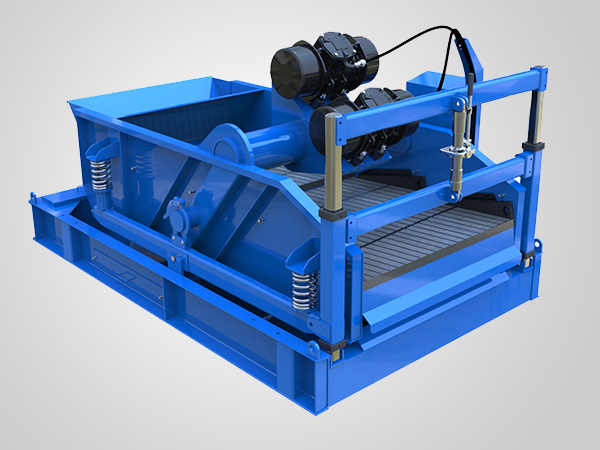
    Linear motion shale shaker uses a straight-line vibrating action created by two counter-rotating motors. This produces a strong, directional force that moves solids uphill while allowing drilling fluid to pass through the screen.

    They generate high G-forces (often above 5 Gs), making them highly effective for high-viscosity and high-solids drilling fluids such as oil-based muds. The aggressive motion helps prevent screen blinding and delivers a drier cuttings discharge, reducing waste and improving efficiency.

    However, the high-intensity vibration can reduce screen life and may limit the use of very fine mesh screens due to increased wear.
     
    Understanding Balanced Elliptical Motion Shale Shakers

    Balanced elliptical motion shale shaker creates an elliptical or circular vibration pattern that distributes energy more evenly across the screen.

    This gentler motion improves screen longevity and reduces operating costs. The rolling and scrubbing action is especially effective for sticky formations like gumbo, helping keep the screen clean and reducing plugging.

    These shakers perform well in top-hole drilling and with water-based muds where solids control demands are less severe. However, they may produce a wetter cuttings discharge and are less aggressive in removing fine solids under heavy loads.
     
    Direct Comparison: Linear vs. Balanced Elliptical

    When directly comparing these two technologies, the choice often comes down to a balance between separation power and operational longevity.


    Linear motion shale shaker offers superior separation efficiency and drier cuttings, making them the go-to choice for demanding applications, deep wells, and fluids with high solids content. Their ability to handle finer screen meshes effectively makes them ideal for closed-loop drilling systems.

    Balanced elliptical shaker, with its longer screen life and excellent gumbo-handling capabilities, provides a more economical solution for many land-based operations, top-hole sections, and less critical drilling phases. Their lower maintenance requirements and gentler operation lead to significant cost savings.

    The decision is not always mutually exclusive. Many modern drilling operations employ a multi-shaker setup, using a balanced elliptical shaker as a scalper to remove large cuttings and gumbo, followed by a linear motion shale shaker for fine screening. This hybrid approach leverages the strengths of both technologies to optimize overall system performance and cost-effectiveness.
     
    Key Selection Criteria for Your Operation

    Selecting the right shale shaker motion depends on drilling conditions and operational needs.

    First, consider drilling fluid type. For oil-based muds, a linear motion shaker (LS Series) with higher G-force (6.5–7.2G) is preferred for stronger solids separation and drier cuttings. For water-based muds, a balanced elliptical shaker (ES Series) (5–6.3G) offers longer screen life and lower operating cost.

    Second, evaluate geological formations. Sticky, gumbo-like shales are better handled by balanced elliptical motion due to their anti-blinding, self-cleaning action. Harder and more abrasive formations suit linear shakers, which provide stronger conveyance and more efficient solids removal.

    Third, assess flow rate and solids load. Elliptical shakers handle high flow rates up to 170 m³/h effectively, while linear shakers manage 113–170 m³/h with better fine-solids separation and finer screen capability.

    Finally, consider long-term costs such as screen wear, energy use, and downtime. Elliptical units reduce maintenance costs, while linear shakers deliver higher performance in demanding applications requiring drier cuttings.
     
    Conclusion

    Shale shaker technology continues to evolve, but the core difference between linear and balanced elliptical motion remains central to solids control strategy.

    Proper selection based on fluid type, formation, and operating conditions ensures better efficiency and cost control.

    KOSUN offers both LS Series Linear motion shale shaker (6.5–7.2G) and ES Series balanced elliptical shakers (5–6.3G). Linear units excel in high-demand drilling, while elliptical systems are ideal for gumbo-prone formations and extended screen life.

    Choosing the right system improves solids control, protects equipment, stabilizes drilling fluids, and enhances overall drilling performance.


  • How Modern Solids Control Equipment Elevates Drilling Rig Performance

    In modern energy exploration, drilling efficiency depends on effective fluid management. Drilling fluid serves as the critical link between rig mechanics and subsurface geology. As the drill bit generates cuttings, these particles can disrupt fluid performance and increase operational risks. Therefore, high-quality solids control equipment plays a vital role in maximizing productivity and minimizing non-productive time.


    The Mechanical Foundation of Efficient Drilling Solids Control

    The impact of drilling solids control becomes clear when considering the effects of poor fluid quality. Recirculated solids act as abrasive material, accelerating wear on pumps, drill strings, and MWD tools. Effective solids control relies on a staged separation process that removes particles by size.

    The process begins with shale shakers that remove larger cuttings, followed by hydrocyclones and centrifuges that target finer solids. Maintaining low solids content allows drilling mud to circulate efficiently while retaining enough carrying capacity for cuttings transport. Cleaner mud also reduces chip hold-down, helping the bit achieve higher penetration rates.
     
    Maximizing Hydraulic Efficiency with Mud Cleaner Drilling Rig Systems

    A mud cleaner drilling rig treats fluid cleaning as a critical component of drilling performance. Mud cleaners combine desanders, desilters, and fine screens to improve fluid quality, particularly in deepwater operations where drilling fluids represent a major investment.

    Hydrocyclones concentrate solids into an underflow stream that passes across fine screens, enabling barite recovery while removing unwanted particles. The result is reduced torque and drag, improved lubricity, lower fuel consumption, and more efficient drilling operations.
     
    Asset Protection Through Advanced Solids Control Systems

    Comprehensive solids control systems not only improve drilling efficiency but also protect expensive equipment. Excess solids accelerate wear on mud pump liners, pistons, and valves, increasing maintenance costs and downtime.

    Modern systems use automation and real-time monitoring to optimize separation performance. Sensors track particle removal efficiency and automatically adjust operating parameters when solids loading increases. This reduces human error, extends equipment life, and helps protect bottom-hole assemblies from abrasive damage.
     
    Improving Wellbore Stability with Superior Solids Removal

    Proper solids removal also contributes to wellbore stability. When fine solids accumulate, they can create a thick filter cake that increases the risk of differential sticking and other costly drilling problems.

    High-performance separation equipment helps maintain a thin, impermeable filter cake that limits fluid invasion and preserves borehole integrity. The result is smoother tripping operations, easier casing runs, and improved overall drilling performance.
     
    The Future of Digital Solids Control

    The next generation of solids control systems will incorporate intelligent automation and predictive analytics. Machine learning technologies will enable equipment to anticipate solids-loading changes based on geological conditions and adjust automatically.

    These innovations will further reduce equipment wear, improve fuel efficiency, enhance environmental performance, and support wellbore stability. As drilling environments become increasingly complex, effective solids control will remain a key driver of operational success. In today's competitive industry, cleaner mud often translates directly into faster, more efficient drilling.

  • Desander: How It Works, Benefits, and Applications in Wastewater Treatment

    A desander removes suspended solids from liquid process streams, primarily to improve wastewater quality. In fact, desanders play a critical role in the solids removal step of wastewater treatment, helping facilities meet regulatory discharge specifications.


    How Does a Desander Work?

    A desander features an entry port, a hydrocyclone central component, and two discharge points, one at the top and one at the bottom. The hydrocyclone is oriented with the wide opening at the top and the narrow opening at the bottom.

    The product stream enters at an angle, creating a circular flow. As a result, the narrowing shape causes water to swirl at high speed. Consequently, centrifugal forces push heavier solids against the cyclone walls, where they migrate downward and are removed from the bottom. Meanwhile, water and light particles rise to exit through the top.

    A typical wastewater desander removes particles with a mean size of up to 10 microns. Moreover, any flow rate can be accommodated by appropriate sizing. To protect the desander, screens are sometimes used upstream to remove large items. As a result, a desander can operate for up to 10 years if properly maintained.


    Environmental Benefits

    In wastewater treatment, the desander removes solids that may contain bacteria, thereby improving water clarity.

    Regulators use turbidity to set discharge specifications. Specifically, higher suspended solids mean less light transmission and higher turbidity. Furthermore, high turbidity water tends to be hotter, reducing dissolved oxygen and harming aquatic life. Therefore, a desander directly contributes to lower turbidity and healthier ecosystems.
     
    Mechanical Benefits

    The desander's efficiency directly influences filtration costs and reliability. If excess solids are not removed, they enter filters and quickly build up, increasing maintenance frequency and costs.

    Additionally, pumps are vulnerable to solid contaminants. For example, the scouring effect of suspended solids damages pump seals, resulting in leaks and equipment outages. Thus, a properly functioning desander protects downstream equipment and extends service life.
     
    Where Are Desanders Used?

    Desanders are used in any industry where suspended solids may be present.

    Mine sites use desanders for wastewater solids removal.

    Construction sites and factories generate wastewater requiring solids removal for regulatory compliance.

    Industrial process water relies on desanders to prevent equipment damage.

    In summary, desanders are essential across mining, construction, and manufacturing.

    Conclusion

    A desander removes suspended solids, improving water clarity, protecting equipment, cutting costs, and ensuring environmental compliance. Whether in mining, construction, or manufacturing, desanders deliver reliable, efficient solids removal.